
Vacuum Insulated Pipe is taking over where old-school insulation just can’t keep up, especially in hydrogen systems. The thing is, it cuts heat transfer way down and really limits those cryogenic losses. We use advanced vacuum insulation to keep liquid hydrogen and other cryogenic fluids stable at super low temperatures. Compared to standard insulation, our systems run warmer—well, colder actually—offer better efficiency, last longer, and hold up better over time. HL Cryogenics doesn’t just stop at pipes; we create full transfer systems that combine Vacuum Insulated Pipe, Flexible Hose, valves, and phase control gear. Companies trust our solutions because they deliver safer and more efficient hydrogen infrastructure.
Hydrogen brings its own set of headaches—it sits at about -253°C as a liquid. At those temperatures, even a bit of heat sneaking in can cause the hydrogen to evaporate, spike the pressure, and mess with system performance. Basic insulation like foam or layers without a steady vacuum just don’t cut it for hydrogen; they can't deliver the protection these demanding applications need.
Our Vacuum Insulated Pipe uses a double-wall build with a top-notch vacuum sandwiched between the inner and outer pipes. That vacuum layer almost erases heat transfer by conduction and convection. Plus, with multilayer insulation handling radiation, we lock in excellent performance and stop heat from leaking across the whole cryogenic transfer system.
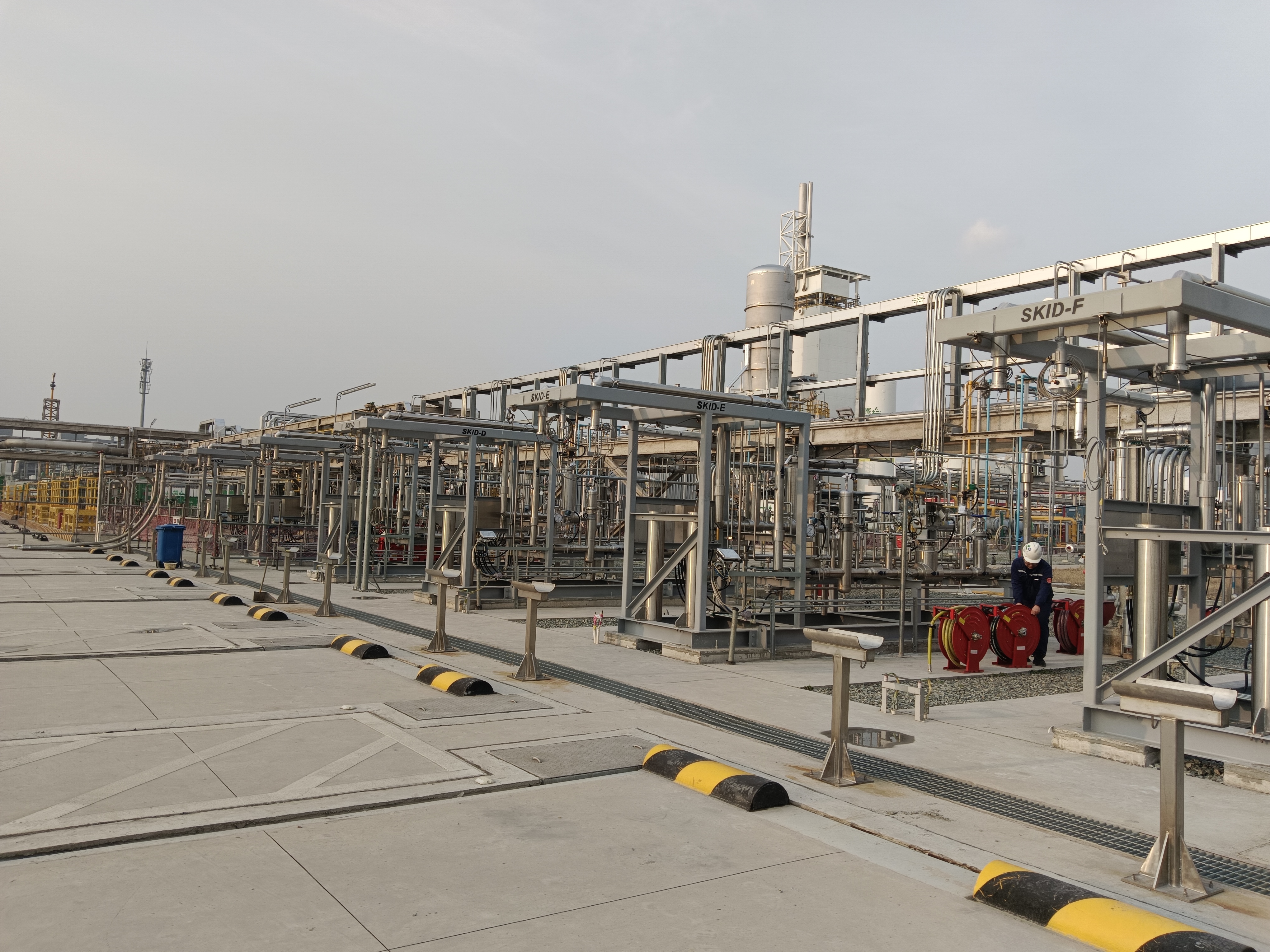
Table of Contents
1. How vacuum insulation technology improves system efficiency
2. Engineering design and material selection
3. Maintaining long-term vacuum stability
4. Engineering example: improving cryogenic transfer efficiency
How vacuum insulation technology improves system efficiency
Cryogenic systems lose heat in three ways: conduction, convection, and radiation. With vacuum insulation, we tackle convection by pulling gas molecules out of the insulation space—so there’s nothing left to carry heat around. Then, those high-performance reflective layers cut down on radiation losses. Together, these features keep our cryogenic pipes operating at steady temperatures, even over long periods.
For hydrogen projects, controlling heat leak matters. Less heat creeping in means less hydrogen lost to evaporation, which boosts efficiency. That’s critical when you’re dealing with large storage setups, transportation networks, or refueling stations. Our Vacuum Insulated Pipe solutions are built for these demanding environments. We focus on keeping losses to a minimum and making sure the system runs reliably, day after day.
Engineering design and material selection
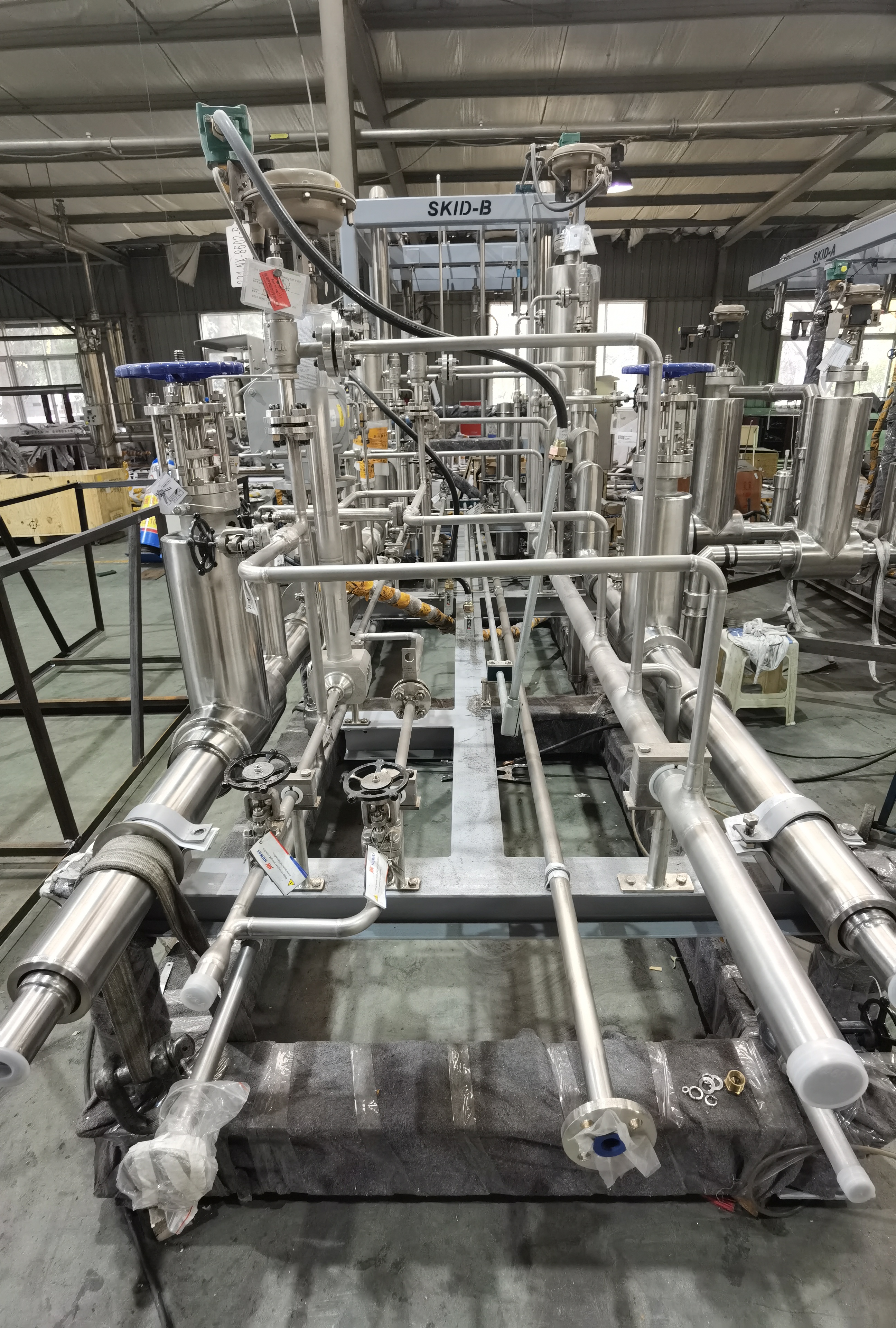
At HL Cryogenics, we pick our materials based on how the system will run, what kind of pressure we’re dealing with, and what the industry expects. Honestly, stainless steel just makes sense for both the inner and outer pipes. It holds up under stress, fights off corrosion, and handles cryogenic fluids without breaking a sweat.
Our engineering team looks at the full picture—pressure, temperature swings, where the pipes are going, even how easy it’ll be to keep them running. Every project comes with its own set of needs, so we offer different pressure ratings and custom setups to fit the job. We stick to strict international standards, too, and keep our ASME, CE, and ISO certifications up to date. That way, we’re always in line with the rules, no matter what country the project’s in.
When things get complicated, we don’t just ship parts and move on. We offer full solutions: Vacuum Insulated Pipe, Vacuum Insulated Flexible Hose, Valves, Phase Separators, and even Mini Tank systems. By tying all of this together in one package, we’re able to fine-tune the entire cryogenic transfer system. Our clients don’t just get some components—they get a streamlined solution built to perform.
Maintaining long-term vacuum stability
Keeping a strong vacuum over the long haul is critical if you want your cryogenic system to run reliably. Even a tiny drop in vacuum levels can bump up heat transfer and chip away at performance as time goes on. So, to tackle that problem head-on, we built the Dynamic Vacuum Pump System—designed to constantly watch over and maintain vacuum conditions while the system’s running.
Here’s how it works: If vacuum levels dip—maybe from a small leak, material outgassing, or changes in the environment—the system jumps in and restores the vacuum right away. It doesn’t wait for someone to notice and fix it. The result? Longer service life, fewer headaches with maintenance, and smooth, steady performance for industrial gas applications where reliability really matters.
But honestly, insulation isn’t the only thing that makes a hydrogen system safe and efficient. Managing the flow, controlling phases, and keeping everything operating safely are just as vital. Our Vacuum Insulated Valve steps in here—delivering solid fluid control and keeping thermal losses down everywhere in the system. Its vacuum-jacketed design makes sure heat transfer stays minimal, even after countless operating cycles.
For jobs where you need precise phase control—where separating liquid from vapor is a must for consistent fluid quality and pressure—our Vacuum Insulated Phase Separator keeps things stable. Pair it with our Vacuum Insulated Pipe and Vacuum Insulated Flexible Hose, and you’ve got a complete setup built for dependable cryogenic transfers, start to finish.
Applications across global industries
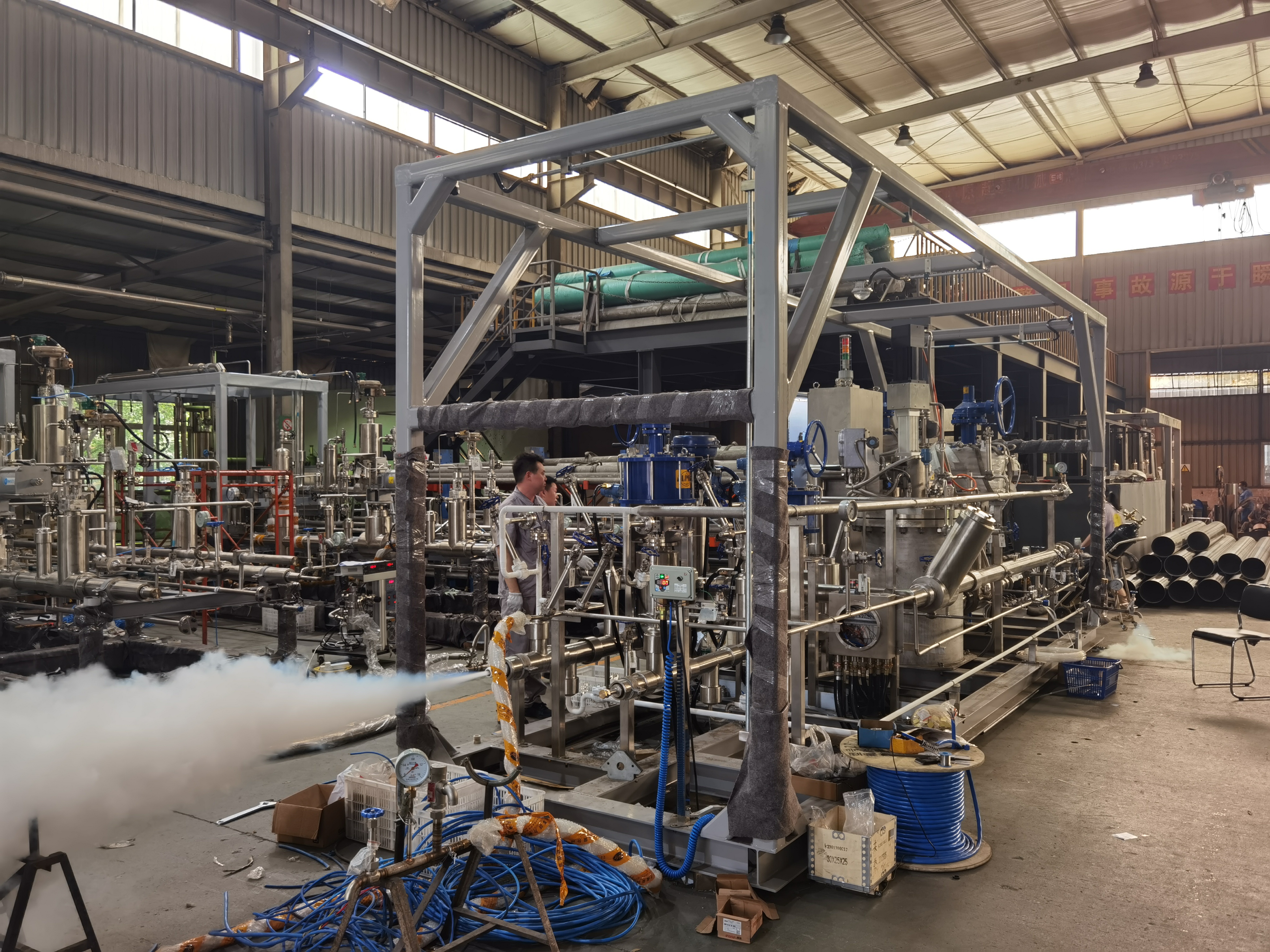
We help hydrogen and cryogenic projects thrive around the world, and we’re right in the mix of several industries. In Southeast Asia, LNG terminals and new hydrogen infrastructure are pushing hard for efficient cryogenic transfer tech to slash costs. Over in East Asia, semiconductor plants lean on dependable liquid nitrogen and other cryogenic gases to keep their advanced manufacturing humming.
Europe’s industrial gas plants call for top-tier cryogenic systems handling oxygen, nitrogen, argon, and hydrogen day in, day out. The Middle East has its own needs, with hydrogen projects demanding equipment tough enough to handle harsh conditions. We’ve worked across all these sectors, so we know how to tailor solutions to fit different challenges.
At HL Cryogenics, we blend strong manufacturing, deep engineering know-how, and internationally recognized certifications. That lets us pitch in on cryogenic projects everywhere, offering made-to-order Vacuum Insulated Pipe systems and full cryogenic equipment—always tuned to what the customer needs, where they're working, and regional standards.
No matter if you're building hydrogen infrastructure, running semiconductor lines, or managing an industrial gas plant, we’re here to help you boost efficiency, safety, and stay reliable for the long haul. Reach out to HL Cryogenics—we’re ready to talk custom cryogenic engineering for whatever you’re tackling next.
● FAQS
Since 1992, HL Cryogenics has specialized in the design and manufacturing of high-vacuum insulated cryogenic piping systems and related support equipment, tailored to meet diverse customer needs. We hold ASME, CE, and ISO 9001 certifications, and have provided products and services to many well-known international enterprises. Our team is sincere, responsible, and committed to excellence in every project we undertake.
Vacuum Insulated/Jacketed Pipe
Vacuum Insulated/Jacketed Flexible Hose
Phase Separator / Vapor Vent
Vacuum Insulated (Pneumatic) Shut-off Valve
Vacuum Insulated Check Valve
Vacuum Insulated Regulating Valve
Vacuum Insulated Connectors for Cold Boxes & Containers
MBE Liquid Nitrogen Cooling Systems
Other cryogenic support equipment related to VI piping — including but not limited to safety relief valve groups, liquid level gauges, thermometers, pressure gauges, vacuum gauges, and electric control boxes.
We are happy to accommodate orders of any size — from single units to large-scale projects.
HL Cryogenics' Vacuum Insulated Pipe (VIP) is manufactured in accordance with the ASME B31.3 Pressure Piping Code as our standard.
HL Cryogenics is a specialized vacuum equipment manufacturer, sourcing all raw materials exclusively from qualified suppliers. We can procure materials that meet specific standards and requirements as requested by customers. Our typical material selection includes ASTM/ASME 300 Stainless Steel with surface treatments such as acid pickling, mechanical polishing, bright annealing, and electro polishing.
The size and design pressure of the inner pipe are determined according to the customer's requirements. The size of the outer pipe follows HL Cryogenics' standard specifications, unless otherwise specified by the customer.
Compared with conventional piping insulation, the static vacuum system provides superior thermal insulation, reducing gasification losses for customers. It is also more cost-effective than a dynamic VI system, lowering the initial investment required for projects.
● Related Posts



Post time: Jul-20-2026


