
A Vacuum Insulated Pipe, or VIP, is basically a double-walled cryogenic pipe built to move super-cold liquids from point A to point B without picking up heat from its surroundings. At HL Cryogenics, we push for top thermal efficiency using a combination of high-vacuum space between the walls, multiple layers of reflective insulation, low-conductivity supports, and well-engineered stainless-steel. This kind of pipe handles everything from liquid nitrogen and oxygen to argon, hydrogen, LNG, and other cryogenic fluids.
Here’s the thing: compared to regular insulated pipes, vacuum insulation does a much better job keeping heat out. That means less product vaporizes, pressure stays lower, and you lose less to operating costs. Done right, a VIP system adds up to better efficiency, more reliable performance, improved safety, and a longer lifespan for your cryogenic setup.
The typical VIP has an inner “process pipe” that carries the cold liquid, surrounded by an outer stainless-steel shell. We pull a strong vacuum in the space between the two, then add up to 30 layers of reflective insulation, depending on what the job needs. Our goal goes beyond just keeping things cold—it’s about tackling all three ways heat sneaks in: conduction, convection, and radiation.
That high vacuum pretty much wipes out heat transfer by convection. The many insulation layers stop most thermal radiation, and our special supports cut solid conduction down to a minimum. Stainless steel is our go-to because it holds up well at low temperatures, resists corrosion, welds cleanly, and fits any industrial gas scenario.
In the end, these design moves mean our cryogenic pipes keep their insulation power for the long haul, way outpacing classic foam-insulated piping—especially if your system’s running round-the-clock.

Phase Separator

Vacuum Insulated Pipe

Vacuum Insulated Flexible Hose

Vacuum Insulated Shut-off Valve
Table of Contents
1. Why Heat Leak Matters in Cryogenic Systems
2. Vacuum Stability and the Dynamic Vacuum Pump System
3. Vacuum Insulated Valves and Phase Control
4. Flexible Connections, Mini Tanks, and Complete System Integration
Why Heat Leak Matters in Cryogenic Systems
When you’re dealing with cryogenic temperatures, even a little bit of heat sneaking in can quickly turn liquid into gas. Take liquid nitrogen, for example. At around -196°C, if you don’t keep heat out, you’ll see more boil-off and even a rise in pressure inside your transfer lines. This challenge gets bigger with systems handling LNG or liquid hydrogen. Any thermal loss there not only messes with process stability, it starts to eat into your bottom line.
That’s why we don’t just focus on reducing heat leaks in the straight pipes. We look at the entire system: supports, elbows, valves, flexible joints, bayonets, flanges, sensor ports, terminations—the works. Each one can act as a thermal bridge and compromise performance. Our engineering philosophy is clear—we treat all these connections as part of one integrated Vacuum Insulated Pipe system. They’re not just individual parts to us; they’re all part of the solution.
Vacuum Stability and the Dynamic Vacuum Pump System
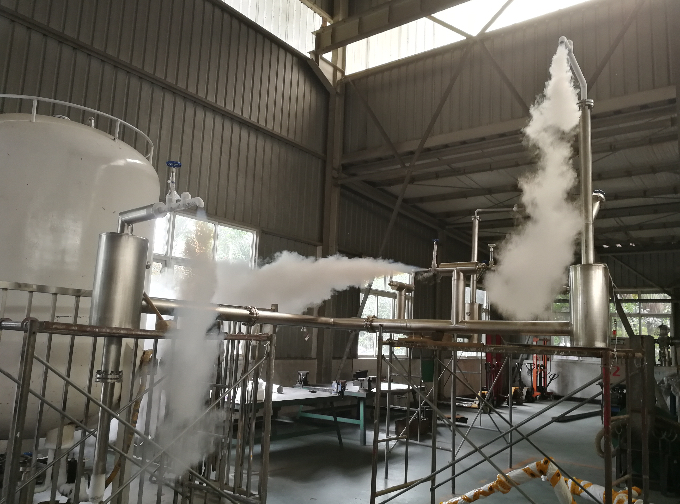
Getting the vacuum right at the start isn’t enough. Keeping it steady for years matters just as much. Over time, tiny leaks, materials releasing gas, seals wearing out, maintenance work—lots of things chip away at the vacuum inside the jacket. If the vacuum starts to slip, heat sneaks in, and you can end up with odd frost patterns, more boil-off, or worse thermal performance.
For setups that demand ongoing vacuum management, our Dynamic Vacuum Pump System fits right into your vacuum-insulated network. It doesn’t just depend on a sealed, static vacuum. This system lets you clear out and maintain the vacuum space whenever you need it, so you don’t have to tear out whole pipeline sections just to fix a problem. If you’re running a big operation or critical process, having the option for dynamic vacuum management saves time on upkeep and keeps the system running long-term.
Vacuum Insulated Valves and Phase Control
A Vacuum Insulated Valve takes thermal protection seriously—it wraps one of the most heat-sensitive points in your piping system with a vacuum jacket. Regular cryogenic valves without insulation act like magnets for heat, leading to frosting and vapor where you don’t want it. By building the valve and its coldest parts right into the insulation, we keep heat out and still let you isolate, control flow, and maintain the system like you need.
A Vacuum Insulated Phase Separator tackles another job. Whenever you move cryogenic liquids, some of it flashes into gas because of pressure drops and the unavoidable heat that sneaks in. The phase separator pulls vapor and liquid apart, so what travels downstream stays stable and reliable. If you’re running liquid nitrogen—feeding equipment, freezers, labs, biobanks, or semiconductor tools—you know you can’t risk unreliable liquid supply.
There’s no way rigid piping does everything you need. That’s where the Vacuum Insulated Flexible Hose comes in. You get a flexible, thermally efficient connection that handles equipment movement, tight installs, vibration, or setups needing frequent hook-ups and disconnects. It’s not just a regular cryogenic hose—when it’s done right, the vacuum jacket cuts thermal losses while staying flexible.
We don’t treat these as isolated parts. You get a complete cryogenic system: Vacuum Insulated Pipe, cryogenic hose, insulated valves and phase separators, mini tanks, and a dynamic vacuum pump—all engineered as one solution. Of course, working pressures for these systems vary from low to several MPa, depending on your application and what you’re moving. But don’t guess at pressure ratings—select them based on your real operating pressure, temperature, cryogen, codes, and how the system will actually run—not just a safe but generic range.
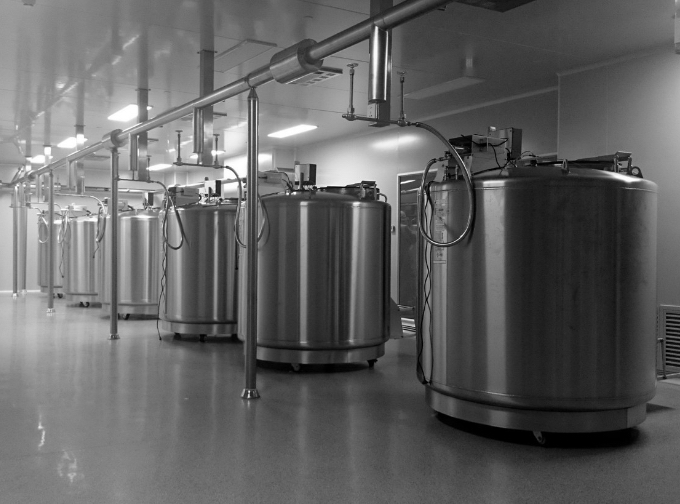
Centralized LN₂ Supply
Picture a semiconductor plant in East Asia. There’s a central liquid nitrogen (LN₂) tank sending supply to lots of production tools, all connected by a maze of piping. If you go with conventional insulation, you’re asking for trouble: heat sneaks in along the pipeline and especially at the valves, creating extra flash gas. At the far ends, your liquid delivery turns unpredictable, and that’s not something you want in high-precision production. People sometimes try to fix this by cranking up the storage pressure, but honestly, that just sidesteps the real problem — and can even make the process messier.
Our engineering team steps back and treats the whole thing as one system: routing, pipe size, flow needs, pressure loss, elevation shifts, valve spots, flex sections, phase control, and what kind of vacuum insulation makes the most sense. Put it all together using a network of Vacuum Insulated Pipe, paired with Vacuum Insulated Valves and strategically placed phase-control gear. This setup keeps unwanted heat out, cuts down on flash gas, and delivers steady LN₂ where you actually need it.
But that’s not where it ends. We take this same cryogenic transfer know-how to all sorts of sites — LNG terminals in Southeast Asia, those East Asian semiconductor fabs, gas plants in Europe, biopharma setups, even hydrogen projects in the Middle East. And every region throws its own hurdles at you, whether it’s engineering standards, paperwork, certifications, or special procurement hoops. Our team builds these requirements into the project design from day one.
HL Cryogenics doesn’t just talk compliance — we carry ASME, CE, and ISO certifications, so our cryogenic gear matches international and country-specific standards. Whether the job calls for ASME, EN, ISO, or custom specs, we engineer for it. That’s a big deal if you’re an EPC contractor or on a procurement team, sorting out pressure ratings, material traceability, weld qualifications, inspection records, and overall cryogenic performance. We bring all those factors together to make tough projects run smoother.
● FAQS
Since 1992, HL Cryogenics has specialized in the design and manufacturing of high-vacuum insulated cryogenic piping systems and related support equipment, tailored to meet diverse customer needs. We hold ASME, CE, and ISO 9001 certifications, and have provided products and services to many well-known international enterprises. Our team is sincere, responsible, and committed to excellence in every project we undertake.
Vacuum Insulated/Jacketed Pipe
Vacuum Insulated/Jacketed Flexible Hose
Phase Separator / Vapor Vent
Vacuum Insulated (Pneumatic) Shut-off Valve
Vacuum Insulated Check Valve
Vacuum Insulated Regulating Valve
Vacuum Insulated Connectors for Cold Boxes & Containers
MBE Liquid Nitrogen Cooling Systems
Other cryogenic support equipment related to VI piping — including but not limited to safety relief valve groups, liquid level gauges, thermometers, pressure gauges, vacuum gauges, and electric control boxes.
We are happy to accommodate orders of any size — from single units to large-scale projects.
HL Cryogenics' Vacuum Insulated Pipe (VIP) is manufactured in accordance with the ASME B31.3 Pressure Piping Code as our standard.
HL Cryogenics is a specialized vacuum equipment manufacturer, sourcing all raw materials exclusively from qualified suppliers. We can procure materials that meet specific standards and requirements as requested by customers. Our typical material selection includes ASTM/ASME 300 Stainless Steel with surface treatments such as acid pickling, mechanical polishing, bright annealing, and electro polishing.
The size and design pressure of the inner pipe are determined according to the customer's requirements. The size of the outer pipe follows HL Cryogenics' standard specifications, unless otherwise specified by the customer.
Compared with conventional piping insulation, the static vacuum system provides superior thermal insulation, reducing gasification losses for customers. It is also more cost-effective than a dynamic VI system, lowering the initial investment required for projects.
● Related Posts



Post time: Aug-12-2026


