
Vacuum insulated pipe, or VIP, is all about moving super-cold fluids—like LNG, liquid nitrogen, liquid oxygen, or liquid hydrogen—safely and efficiently. You’ll find this technology everywhere: in LNG terminals, chip factories, rocket launch pads, hospitals, food plants, and power stations.
The main job of vacuum insulated piping is to keep heat out, which helps stop valuable cryogenic liquids from evaporating and keeps temperatures steady for these sensitive materials.
As clean energy, hydrogen tech, and modern manufacturing take off worldwide, more companies rely on Vacuum insulated pipe systems to handle cryogenic fluids. Honestly, if you need to move something extremely cold from point A to point B without losing it to the air or compromising safety, VIP has become a must-have.
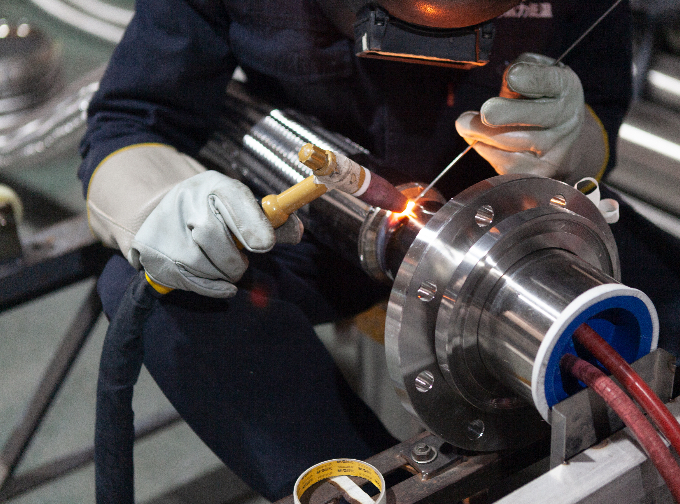
Table of Contents
1. What Is a Vacuum Insulated Pipe?
2. Applications of Vacuum Insulated Pipe
3. Advantages of Vacuum Insulated Pipe Systems
4. Choosing a Vacuum Insulated Pipe Manufacturer
What Is a Vacuum Insulated Pipe?
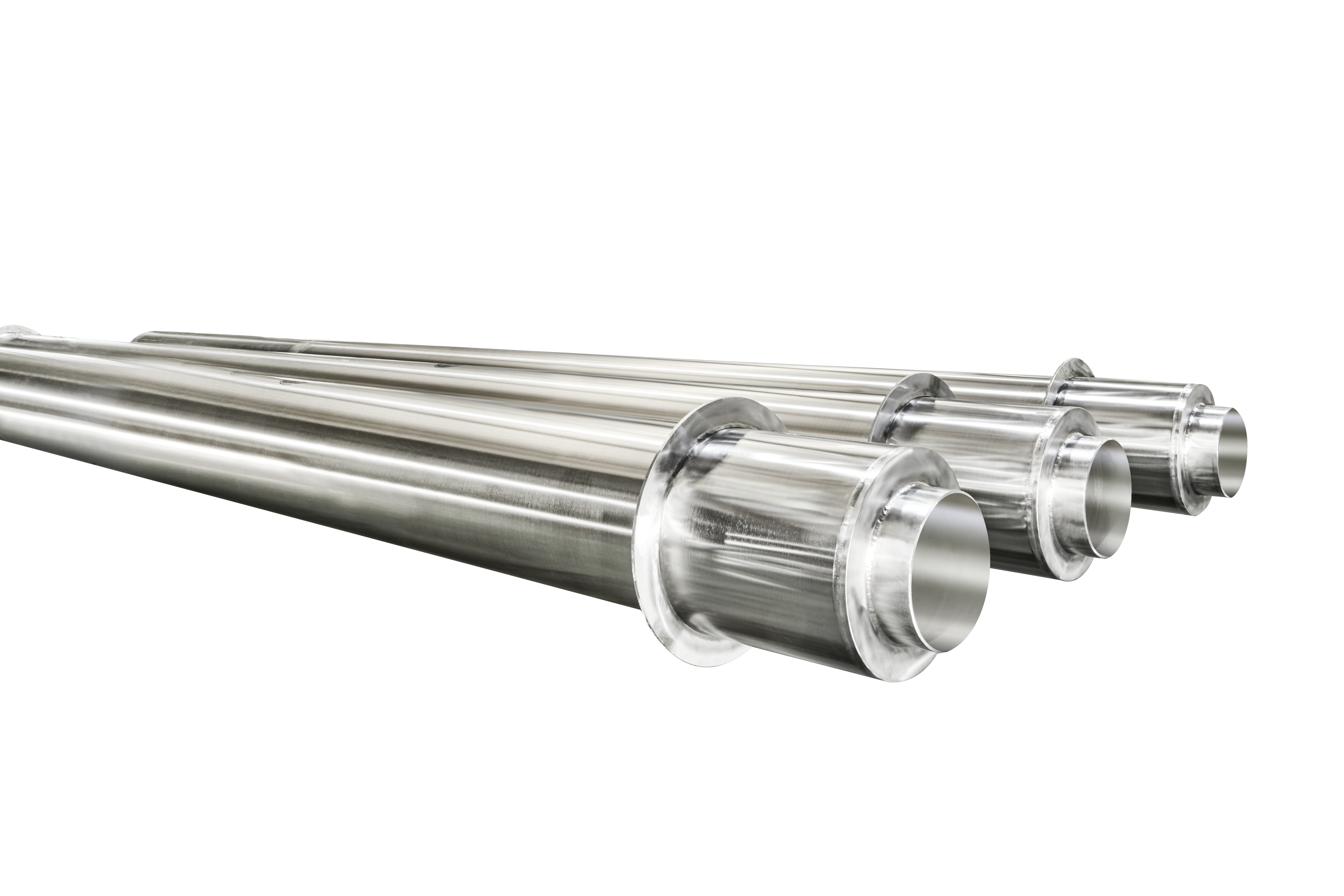
A vacuum insulated pipe is basically a double-walled system built to move cryogenic liquids while keeping heat out as much as possible.
It’s made up of three main parts:
First, there’s the inner pipe — usually stainless steel — where the cryogenic fluid flows. Next, you have the outer pipe, which acts like a vacuum jacket to protect and contain the inner pipe. Between these, there’s a vacuum insulation layer, an empty space with the air sucked out, which really cuts down on heat transfer.
By pulling out the air from that space, vacuum insulated pipes stop heat from sneaking in through conduction or convection. On top of that, people often add special insulation, like multilayer insulation (MLI), inside the vacuum jacket to block even more heat coming in from radiation.
Regular insulated pipes just can’t compete — vacuum insulated pipes let in much less heat. That makes them essential anywhere you need to keep cryogenic liquids cold for long periods.
Here’s how they work, in plain terms:
1. Stopping Conduction and Convection
In normal pipes, heat leaks through the insulation and air in the space around the fluid. With vacuum insulated pipes, the vacuum layer wipes out almost all the air molecules, so there’s hardly any path for heat to travel in by those methods.
2. Cutting Down on Radiation
Even in a vacuum, heat can get through as radiation. To tackle this, advanced systems use things like multilayer insulation, layers of reflective foil, and other materials that don’t emit much heat to keep temperatures low.
3. Holding on to Ultra-Low Temperatures
Bringing together vacuum insulation and reflective barriers lets these pipes keep cryogenic fluids super cold as they move from one place to another.
For example:
- LNG needs to stay around -162°C (-260°F)
- Liquid nitrogen sits near -196°C (-321°F)
- Liquid hydrogen has to be down at about -253°C (-423°F)
Vacuum insulated pipes help keep these fluids at those extreme temperatures, cut down on boil-off losses, and make the whole process more efficient.
Applications of Vacuum Insulated Pipe
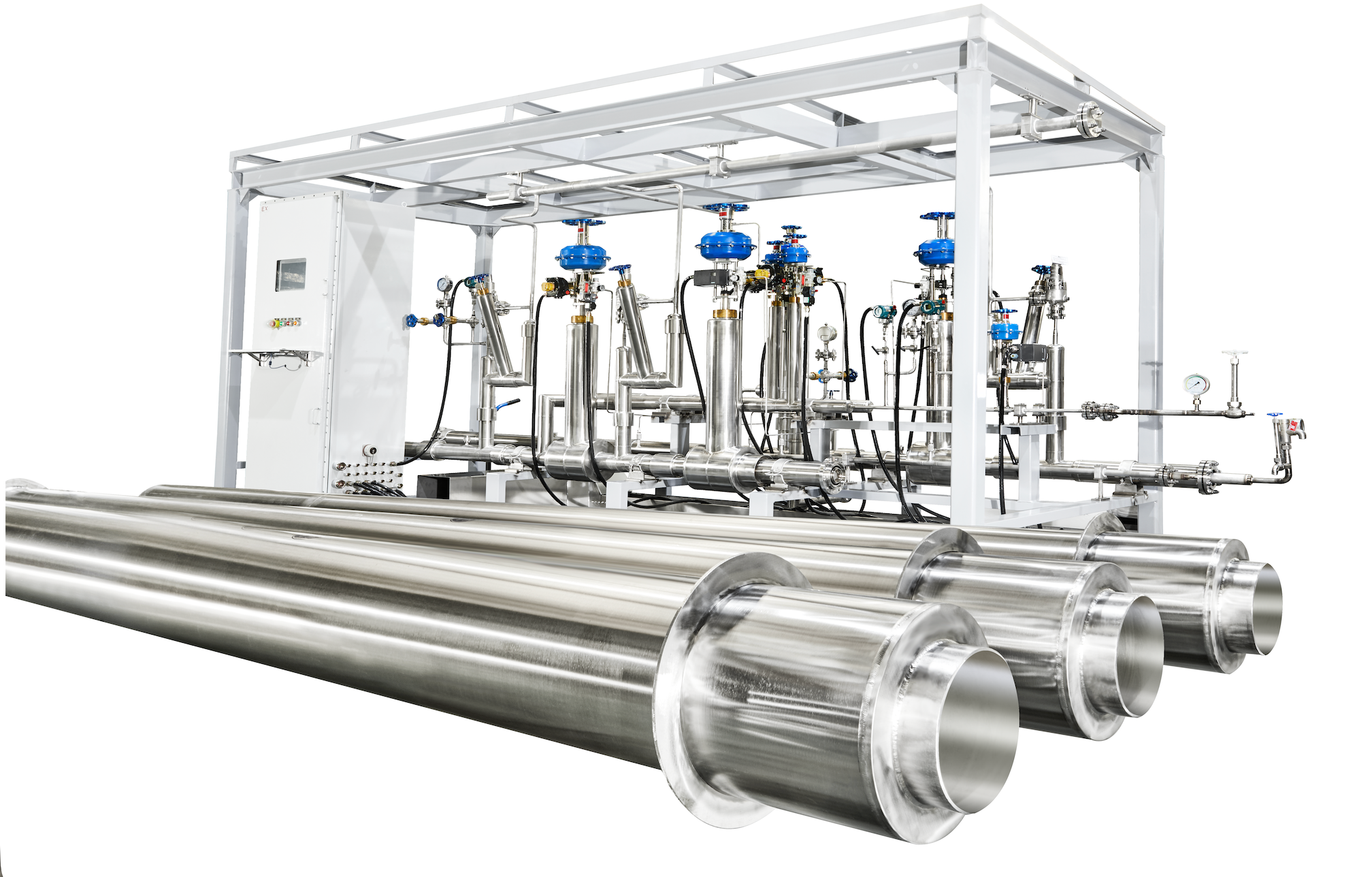
By combining our Dynamic Vacuum Pump System, Vacuum Insulated Valve, and Phase Separator, we give you a setup that works in any industry efficiently and keeps costs down. Our Mini Tanks and Flexible Hoses let us handle both mobile and fixed jobs with precision.
Vacuum insulated pipes show up in all sorts of industries—basically anywhere you need to move cryogenic fluids and can’t risk heat sneaking in.
Let’s start with LNG and clean energy. At LNG terminals, natural gas plants, and fueling stations, these pipes do the heavy lifting—moving liquefied natural gas from one spot to another, whether that’s between storage tanks, pumps, or vaporizers. The thing is, LNG always tries to soak up heat from its surroundings. If your insulation’s not up to par, you end up with more boil-off gas (BOG), which wastes product and money. So, solid vacuum insulated piping makes all the difference—less heat in, less BOG, and the whole system runs smoother.
Semiconductor and electronics manufacturing? It’s all about clean, stable, and super-cold environments. Here, fabs rely on vacuum insulated pipes to deliver liquid nitrogen (LN2) without interruption. If the supply isn’t reliable, the delicate production processes just can’t happen.
Aerospace and hydrogen energy are ramping up their cryogenic game too. Liquid hydrogen is suddenly the star for clean energy in rockets and maybe even future vehicles. But hydrogen’s tricky—it needs to stay colder than almost anything else, and it’s super sensitive to heat. That’s why, for storing or moving LH2, you pretty much need vacuum insulated piping. Nothing else will keep the temperatures low enough.
Medical and healthcare sectors lean on vacuum insulated pipes for their own reasons. You see them wherever liquid nitrogen is in play: preserving biological samples, running cryogenic storage systems, supporting medical research, and even in some cancer treatments. Reliable pipes here mean that LN2 stays cold with minimal loss—critical when you’re dealing with health or research.
Then there’s food processing and other industrial work. Cryogenic gases handle things like flash-freezing food or supporting specialty manufacturing steps. These industries use vacuum insulated pipes to make sure the supply stays steady and operating costs don’t skyrocket from wasted gas.
In short, vacuum insulated piping isn’t just nice to have—it’s what keeps cryogenic systems dependable, efficient, and cost-effective across a ton of fields.
Advantages of Vacuum Insulated Pipe Systems
Vacuum insulated pipes stand out from regular cryogenic piping in a few key ways.
First off, they’re great at keeping the cold in. Thanks to their vacuum insulation, they barely let any heat through, so cryogenic fluids stay at the right temperatures without much effort.
Another big plus—less product loss. With less heat sneaking in, there’s way less boil-off gas. That means you hold onto more LNG or whatever cryogenic liquid you’re moving, saving energy and cutting down waste.
These pipes are also built to last. Top-notch vacuum insulated systems run reliably for years, with little need for maintenance and insulation you can count on.
Space is another factor. Vacuum insulated pipes don’t need to be bulky to work well. They fit into tighter spaces, which makes them perfect for busy or complicated industrial setups.
And they’re ready to ship pretty much anywhere. Leading manufacturers build these systems to meet global standards—ASME, CE, ISO, EN—so you’ll see them in LNG plants, hydrogen facilities, semiconductor factories, and industrial gas projects around the world.
Choosing a Vacuum Insulated Pipe Manufacturer
When you’re choosing a vacuum insulated pipe supplier, there’s a lot to weigh. Look for companies with real experience building cryogenic equipment. They need to follow international standards, offer solid vacuum performance testing, and keep track of their materials from start to finish. You’ll want suppliers who have proven welding skills and strict inspection routines, especially if they’ve worked on big projects in LNG, hydrogen, semiconductors, or industrial gases.
A reputable manufacturer won’t hesitate to give you all the paperwork — material certificates, welding records, vacuum test results, helium leak checks, and inspection reports.
These days, China stands out as a major hub for cryogenic equipment, shipping vacuum insulated pipes and systems to projects all over the world.
Vacuum insulated pipe technology sits at the heart of modern cryogenic industries. With smart engineering, multiple layers of insulation, and high-quality vacuum barriers, these systems keep ultra-cold fluids like LNG, liquid nitrogen, liquid oxygen, and liquid hydrogen flowing safely and efficiently.
You see these pipes everywhere: in LNG plants, semiconductor facilities, aerospace, and even medical labs. When you need to transfer low-temperature fluids without losses or risks, vacuum insulated pipe gets the job done.
And with clean energy, hydrogen tech, and advanced manufacturing on the rise, the need for high-performance vacuum insulated pipe systems is only growing.
● FAQS
Since 1992, HL Cryogenics has specialized in the design and manufacturing of high-vacuum insulated cryogenic piping systems and related support equipment, tailored to meet diverse customer needs. We hold ASME, CE, and ISO 9001 certifications, and have provided products and services to many well-known international enterprises. Our team is sincere, responsible, and committed to excellence in every project we undertake.
Vacuum Insulated/Jacketed Pipe
Vacuum Insulated/Jacketed Flexible Hose
Phase Separator / Vapor Vent
Vacuum Insulated (Pneumatic) Shut-off Valve
Vacuum Insulated Check Valve
Vacuum Insulated Regulating Valve
Vacuum Insulated Connectors for Cold Boxes & Containers
MBE Liquid Nitrogen Cooling Systems
Other cryogenic support equipment related to VI piping — including but not limited to safety relief valve groups, liquid level gauges, thermometers, pressure gauges, vacuum gauges, and electric control boxes.
We are happy to accommodate orders of any size — from single units to large-scale projects.
HL Cryogenics' Vacuum Insulated Pipe (VIP) is manufactured in accordance with the ASME B31.3 Pressure Piping Code as our standard.
HL Cryogenics is a specialized vacuum equipment manufacturer, sourcing all raw materials exclusively from qualified suppliers. We can procure materials that meet specific standards and requirements as requested by customers. Our typical material selection includes ASTM/ASME 300 Stainless Steel with surface treatments such as acid pickling, mechanical polishing, bright annealing, and electro polishing.
The size and design pressure of the inner pipe are determined according to the customer's requirements. The size of the outer pipe follows HL Cryogenics' standard specifications, unless otherwise specified by the customer.
Compared with conventional piping insulation, the static vacuum system provides superior thermal insulation, reducing gasification losses for customers. It is also more cost-effective than a dynamic VI system, lowering the initial investment required for projects.
● Related Posts


Post time: Oct-12-2024


