
A vacuum jacketed hose is built to handle extremely cold fluids, keeping them cold as they travel by blocking out heat from the surrounding environment. We design our Vacuum Insulated Flexible Hose (VIFH) with a vacuum layer, multiple layers of insulation, and carefully selected materials—everything geared for top-notch thermal performance.
Inside, the vacuum insulation keeps out most of the heat. It fights off conduction, convection, and radiation, so your cryogenic liquid stays cold during transfer. We stick to advanced manufacturing methods and strict cryogenic engineering standards, making sure each hose can handle tough industrial jobs. For engineers and buyers, picking the right vacuum jacketed hose means better safety, less product loss, and a more reliable system for moving cryogenic liquids.
Here’s how the vacuum jacketed hose works. You’ve got the inner hose that actually carries the freezing-cold fluid, and that’s wrapped by an outer jacket. The space between them is a vacuum—that means almost no gas left to move heat across. This slashes heat transfer from conduction and convection. To cut radiation losses, we add lots of shiny, reflective layers; they bounce the heat away and crank up the insulation even more. Because of this, our Vacuum Insulated Flexible Hose keeps temperatures steady whether you're moving LNG, liquid nitrogen, liquid oxygen, or liquid hydrogen.
Compared to old-school cryogenic hoses, vacuum jacketed hoses let way less heat slip through. With less heat getting in, you see a lot less evaporation, lower boil-off gas, and the whole system becomes much more efficient. Take liquid nitrogen: with better insulation, you don’t lose as much to evaporation, so pressure control is smoother and you end up using less nitrogen overall. When it comes to LNG, top insulation not only makes transferring and storing the fuel safer but also cuts down on operating costs.

Table of Contents
1. HL Cryogenics Vacuum Insulated Flexible Hose Design
2. Vacuum Stability and Long-Term Performance
3. System Integration and Industrial Applications
4. Why Choose HL Cryogenics for Vacuum Jacketed Hose Solutions
HL Cryogenics Vacuum Insulated Flexible Hose Design
At HL Cryogenics, we build Vacuum Insulated Flexible Hoses to match your exact engineering specs—things like pressure, temperature, flow rate, how you want to connect, and where everything needs to fit. You’ll find our hoses in all kinds of places, from industrial gas plants and semiconductor factories to aerospace hardware, hospitals, and big energy projects.
We take material selection seriously. Our hoses use stainless steel that stands up to freezing temperatures without losing strength. We factor in everything—thermal contraction, pressure, fatigue, and making sure that vacuum holds for the long haul. Need a custom setup? We can tweak pressure ratings and handle different cryogenic media, all while you get the level of performance you expect.
We’re certified with ASME, CE, and ISO, which means our hoses meet strict international and local standards. Our quality system keeps production consistent, makes records traceable, and ensures you get products that comply with all the big names, like ASME and EN cryogenic engineering rules.
Vacuum Stability and Long-Term Performance
Keeping a strong vacuum is absolutely crucial for vacuum-insulated equipment. Even a tiny pressure bump inside the vacuum jacket messes with insulation and lets more heat sneak in. That's why we use our Dynamic Vacuum Pump System—it's not just passive, it actively keeps the vacuum stable for the long haul.
This system constantly checks the vacuum inside the insulating space and steps in when things go off track. So if gas leaks or materials start outgassing, it quickly pulls out those stray gases and brings the insulation back up to full strength. It’s especially handy in big cryogenic transfer systems, LNG setups, and industrial gas plants where you can’t afford downtime or reliability issues.
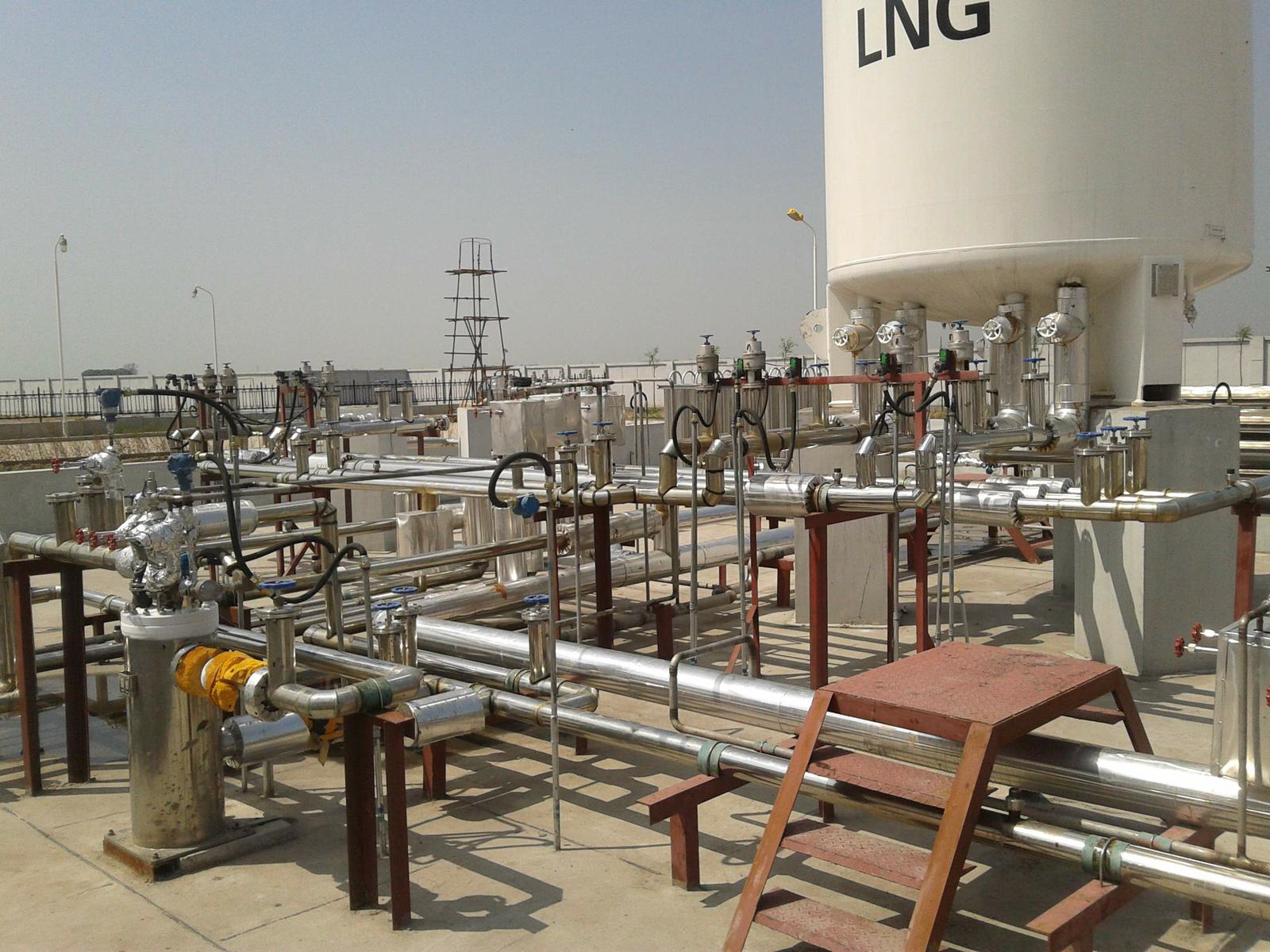
We don't just offer the pump. Our full package includes Vacuum Insulated Pipe, Flexible Hose, Valve, and Phase Separator tech, all integrated to create a solid system. This setup keeps heat losses down, ensures smooth flow, and boosts safety throughout the entire cryogenic pipeline—one less thing for you to worry about.
System Integration and Industrial Applications
Vacuum jacketed hose isn’t just a piece of equipment—it’s a key player in cryogenic transfer systems. In East Asian semiconductor plants, our Vacuum Insulated Flexible Hose handles high-purity liquid nitrogen, fueling some of the world’s most advanced manufacturing. Over in Europe, industrial gas plants count on our cryogenic pipe and hose solutions to keep liquefied gases moving efficiently. And at LNG terminals in Southeast Asia, vacuum insulation keeps operations steady, even when the environment throws curveballs.
Hydrogen projects in the Middle East are raising the bar again. Liquid hydrogen needs strict low-temperature control, so advanced vacuum insulation is becoming essential. When we take on these projects, our engineering team looks at everything—temperature, pressure, layout, and even maintenance plans—before designing a solution that fits.
Reliable cryogenic operations need much more than insulated pipes. Our Vacuum Insulated Valve cuts down thermal losses at isolation points and keeps flow under control. The right valve design stops unnecessary heat transfer and makes shut-downs and maintenance safer.
Managing gas and liquid phases in cryogenic systems is critical. Our Vacuum Insulated Phase Separator nails this by separating the phases, keeping the process stable, protecting equipment downstream, and delivering fluids consistently. If you’re dealing with smaller applications, our Mini Tank brings compact cryogenic storage, solid insulation, and easy integration—whether you’re working in a lab, a clinic, or an industrial shop.

Why Choose HL Cryogenics for Vacuum Jacketed Hose Solutions
We worked on a liquid nitrogen project where the system needed steady, long-distance cryogenic transfer from storage to process equipment. Standard pipes just didn’t cut it—too much heat leak, too much wasted nitrogen. So, we brought in our Vacuum Insulated Pipe, paired it with our Vacuum Insulated Flexible Hose, and added a Dynamic Vacuum Pump System. Together, these upgrades kept the vacuum stable and cut down operational losses. Plus, the way everything fit together made maintenance planning easier and boosted reliability for the long haul.
Vacuum jacketed hose technology isn’t simple—it demands careful engineering, dependable manufacturing, and a deep understanding of cryogenics. At HL Cryogenics, that’s our specialty. We combine our expertise in vacuum insulation, international certifications, and custom engineering to create solutions for industries worldwide.
No matter if you’re working with LNG, semiconductors, industrial gas, hydrogen, or advanced cryogenic research, HL Cryogenics delivers solutions designed around your real operating conditions. Let’s talk—reach out to HL Cryogenics and learn how our Vacuum Insulated Flexible Hose and cryogenic transfer systems can be tailored for your project.
● FAQS
Since 1992, HL Cryogenics has specialized in the design and manufacturing of high-vacuum insulated cryogenic piping systems and related support equipment, tailored to meet diverse customer needs. We hold ASME, CE, and ISO 9001 certifications, and have provided products and services to many well-known international enterprises. Our team is sincere, responsible, and committed to excellence in every project we undertake.
Vacuum Insulated/Jacketed Pipe
Vacuum Insulated/Jacketed Flexible Hose
Phase Separator / Vapor Vent
Vacuum Insulated (Pneumatic) Shut-off Valve
Vacuum Insulated Check Valve
Vacuum Insulated Regulating Valve
Vacuum Insulated Connectors for Cold Boxes & Containers
MBE Liquid Nitrogen Cooling Systems
Other cryogenic support equipment related to VI piping — including but not limited to safety relief valve groups, liquid level gauges, thermometers, pressure gauges, vacuum gauges, and electric control boxes.
We are happy to accommodate orders of any size — from single units to large-scale projects.
HL Cryogenics' Vacuum Insulated Pipe (VIP) is manufactured in accordance with the ASME B31.3 Pressure Piping Code as our standard.
HL Cryogenics is a specialized vacuum equipment manufacturer, sourcing all raw materials exclusively from qualified suppliers. We can procure materials that meet specific standards and requirements as requested by customers. Our typical material selection includes ASTM/ASME 300 Stainless Steel with surface treatments such as acid pickling, mechanical polishing, bright annealing, and electro polishing.
The size and design pressure of the inner pipe are determined according to the customer's requirements. The size of the outer pipe follows HL Cryogenics' standard specifications, unless otherwise specified by the customer.
Compared with conventional piping insulation, the static vacuum system provides superior thermal insulation, reducing gasification losses for customers. It is also more cost-effective than a dynamic VI system, lowering the initial investment required for projects.
● Related Posts



Post time: Jul-17-2026


