
Introduction
The biotech industry depends heavily on cryogenic technology to preserve sensitive biological materials such as stem cells, vaccines, blood plasma, and genetic samples. Maintaining ultra-low temperatures during storage and transport is essential to prevent degradation and preserve sample viability.
Vacuum Insulated Pipe (VIP) systems have become a key solution for this challenge. By minimizing heat transfer and reducing cryogenic liquid loss, VIPs provide a stable and efficient way to handle liquid nitrogen and other cryogenic fluids in biotech facilities.
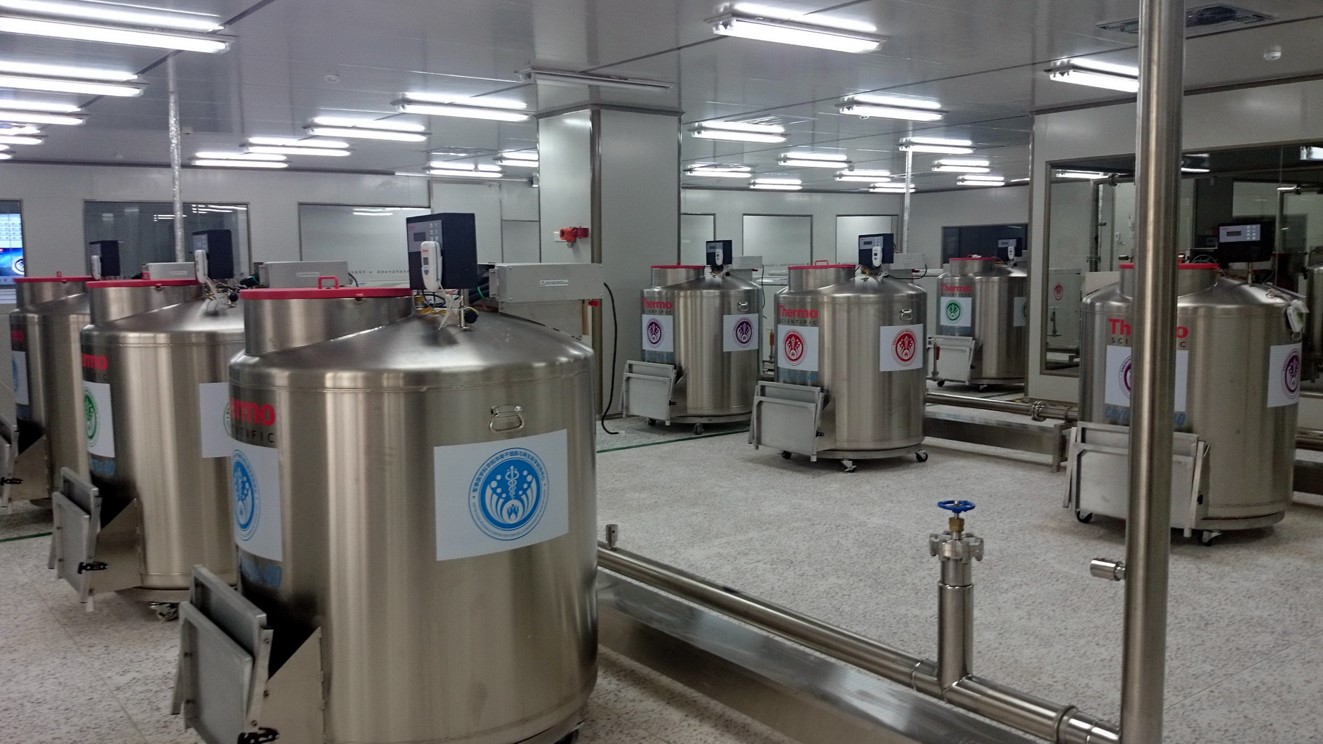
Why VIP Systems Matter in Biotech
Cryogenic processes are central to many biotech operations, including:
-
Long-term biological sample storage
-
Vaccine production and distribution
-
Cell therapy and regenerative medicine
-
Genetic research and laboratory testing
-
Cold-chain transportation of pharmaceuticals
In these applications, even small temperature fluctuations can compromise product quality or research results. Vacuum insulated piping helps maintain a consistent low-temperature environment, ensuring reliable preservation and transport.
Another major advantage is efficiency. Because VIPs dramatically reduce heat ingress, they lower the boil-off rate of liquid nitrogen, which means fewer refills, reduced operating costs, and more stable system performance.
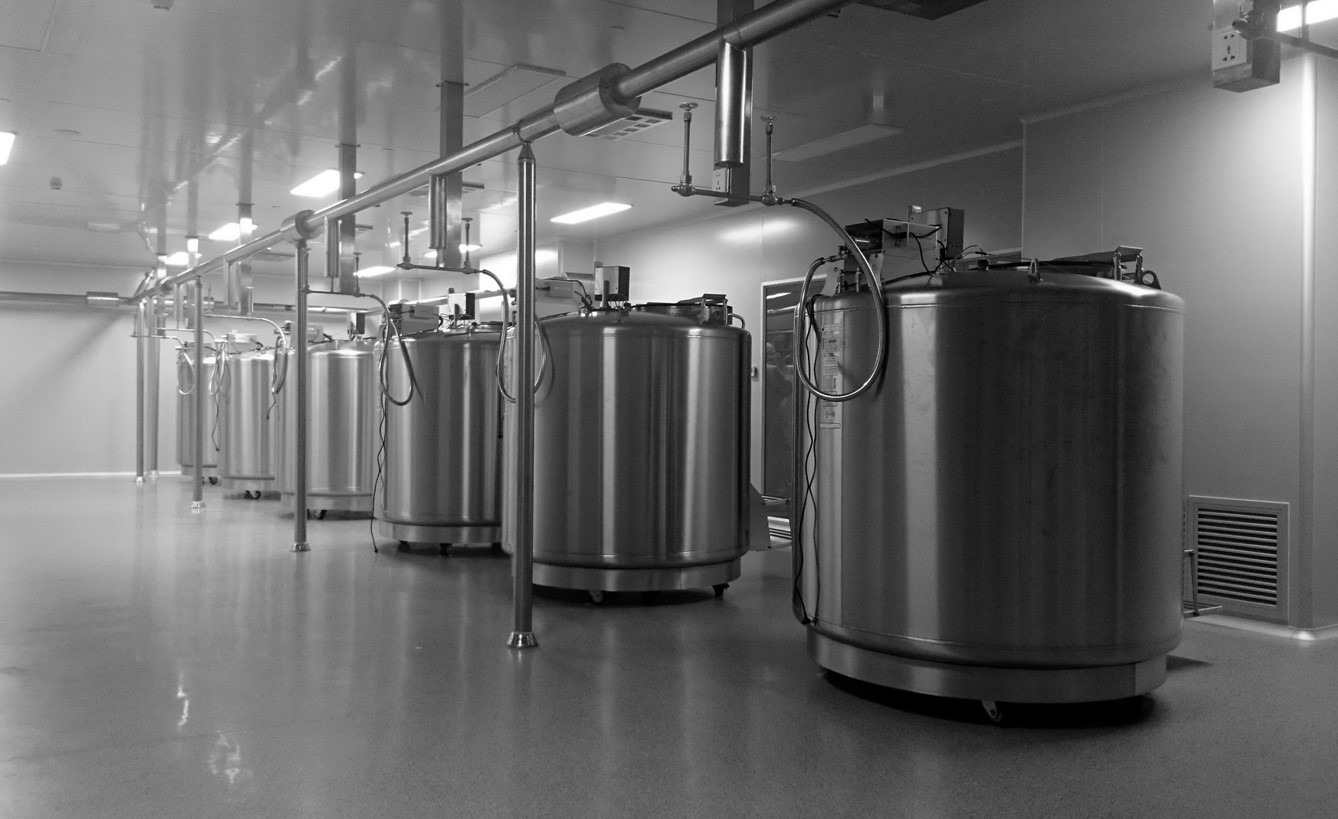
How Vacuum Insulated Pipe Systems Work
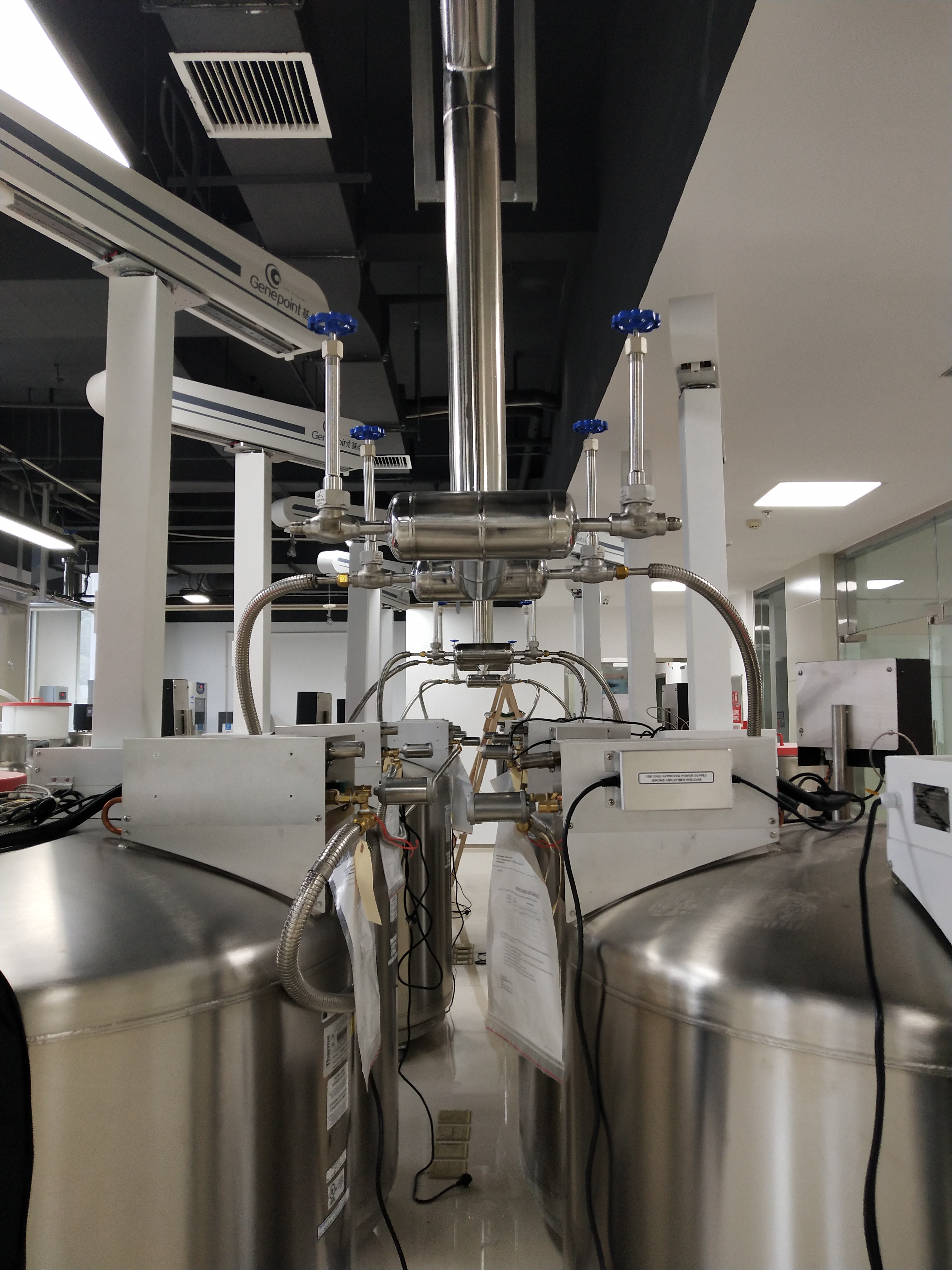
A typical VIP system consists of several integrated components:
-
Vacuum insulated pipes – Double-wall stainless steel pipes with a high-vacuum annular space that minimizes heat transfer.
-
Valves – Used to control flow rates and maintain safe operating pressures within the cryogenic system.
-
Separators – Remove impurities or unwanted gas phases to maintain fluid purity and stable operation.
-
Flexible hose sections – Allow movement, vibration absorption, and easier equipment connections without compromising insulation performance.
The vacuum layer inside the pipe acts as an excellent thermal barrier, significantly outperforming conventional foam insulation. This allows cryogenic fluids to remain at the required temperature over long transfer distances.
Key Advantages of VIP Systems in Biotech
1. Superior Thermal Insulation
VIP systems provide exceptional insulation performance, helping maintain stable cryogenic temperatures and reducing energy loss.
2. Reduced Cryogenic Liquid Consumption
By minimizing heat ingress, VIPs lower the evaporation rate of liquid nitrogen, reducing refill frequency and operating costs.
3. Improved Sample Integrity
Stable temperatures help protect sensitive biological materials from thermal fluctuations that could damage or degrade samples.
4. Safe and Reliable Operation
VIP systems are specifically engineered for cryogenic fluids, ensuring safe transport, pressure control, and long-term reliability.
5. Lower Maintenance Costs
The durable construction and efficient insulation of VIP systems reduce wear, downtime, and maintenance requirements over time.
HL Cryogenics: Trusted VIP Solutions for Biotech
HL Cryogenics is a leading provider of vacuum insulated pipe systems for the biotech industry. With extensive experience in cryogenic engineering, the company offers tailored solutions designed to meet the demanding requirements of biological research, pharmaceutical production, and cryogenic storage facilities.
HL Cryogenics’ VIP systems are recognized for:
-
High vacuum stability
-
Reliable thermal performance
-
Durable stainless steel construction
-
Customizable system design
-
Cost-effective long-term operation
By combining advanced insulation technology with precision-engineered components such as valves and separators, HL Cryogenics delivers systems that support both operational efficiency and product integrity.
Real-World Biotech Applications
Biotech companies around the world are already benefiting from VIP technology:
-
A pharmaceutical manufacturer reduced liquid nitrogen consumption by approximately 30% after upgrading to a vacuum insulated piping system.
-
A biotech research laboratory reported improved stability of stem cell samples during transport due to more consistent cryogenic temperatures.
-
A vaccine production facility achieved better process reliability and lower operating costs by integrating VIP systems with automated cryogenic controls.
These examples demonstrate how effective cryogenic insulation can directly improve efficiency, reliability, and product quality in biotech operations.
Conclusion
Vacuum Insulated Pipe systems are becoming an essential part of modern biotech infrastructure. Their ability to maintain ultra-low temperatures, reduce cryogenic liquid loss, and protect sensitive biological materials makes them invaluable for laboratories, pharmaceutical manufacturers, and research institutions.
With advanced solutions from HL Cryogenics, biotech organizations can achieve safer, more efficient, and more reliable cryogenic operations while supporting innovation in biological research and healthcare.
Post time: Jun-15-2026


