
Moving LNG efficiently is never just about getting liquid from point A to point B. The real challenge is controlling heat gain during transfer. Even a small amount of ambient heat can generate boil-off gas, destabilize flow, and reduce overall system efficiency.
At HL Cryogenics, we design vacuum insulated transfer systems that focus on long-term thermal stability, low heat leak, and reliable single-phase liquid delivery. Our systems combine vacuum insulated pipe, flexible hose assemblies, actively maintained vacuum technology, and phase-management equipment to support stable LNG transfer across industrial and marine applications.
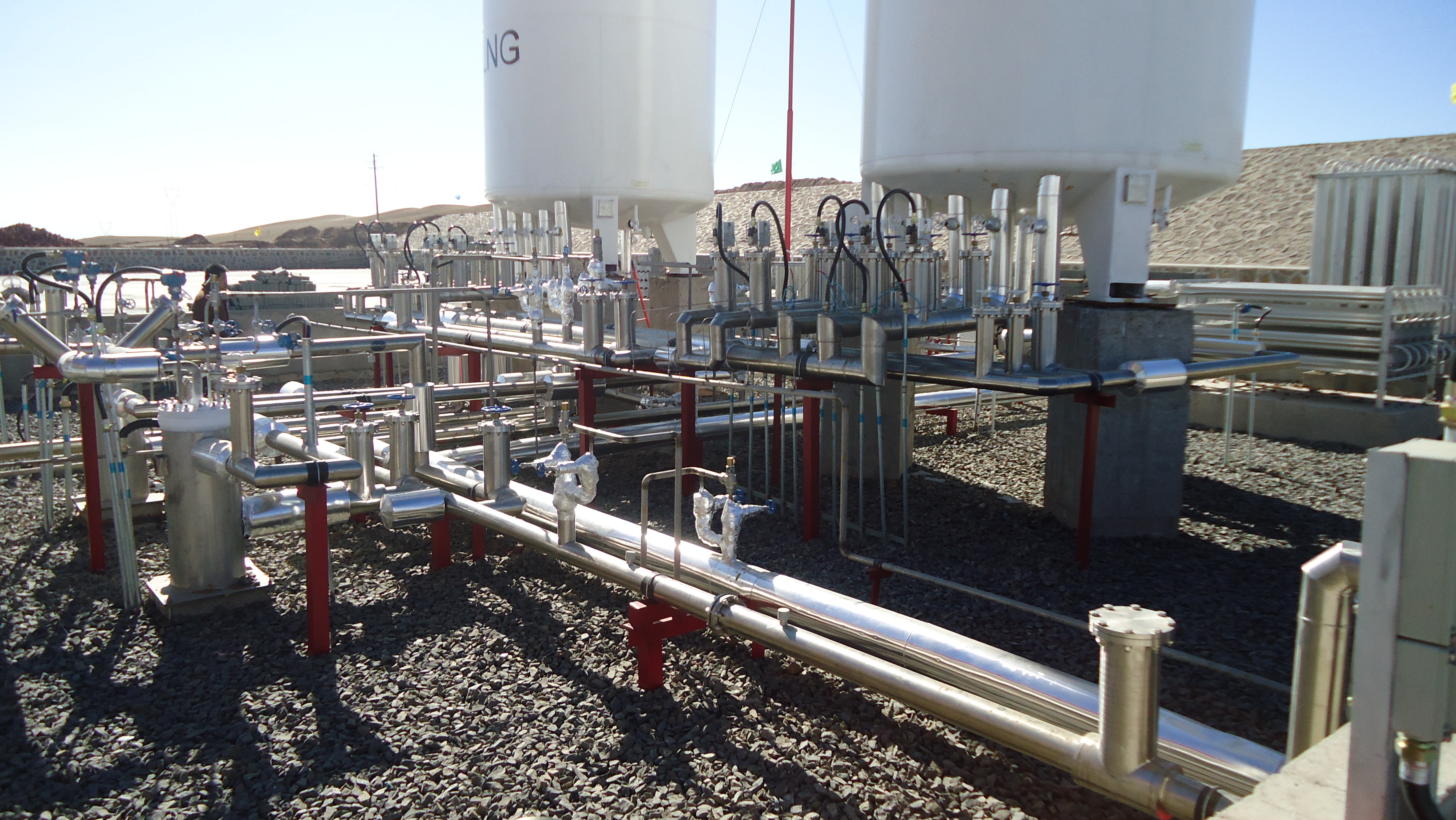
Why Vacuum Insulation Matters in LNG Transfer
Cryogenic liquids such as LNG are extremely sensitive to heat ingress. In conventional insulated piping, thermal losses gradually increase over time as insulation performance declines. This can lead to higher boil-off rates, pressure instability, and operational inefficiencies.
Vacuum insulated piping addresses this by minimizing all three major forms of heat transfer:
- Solid conduction
- Gas convection
- Thermal radiation
Our vacuum insulated pipe and flexible hose systems use a double-wall structure with a high-vacuum annular space, typically maintained below 1 × 10⁻⁵ mbar. Under these conditions, gas conduction and convection are nearly eliminated because residual gas molecules become too sparse to effectively transfer heat.
To further reduce radiation heat transfer, multilayer insulation (MLI) is installed around the inner pipe. These reflective layers significantly reduce radiant heat absorption from the outer jacket.
The result is a thermal performance level far beyond conventional foam or mechanically insulated cryogenic piping.
We typically manufacture the inner process pipe and outer jacket from 304L or 316L stainless steel to ensure cryogenic toughness, corrosion resistance, and reliable weld performance under repeated thermal cycling.
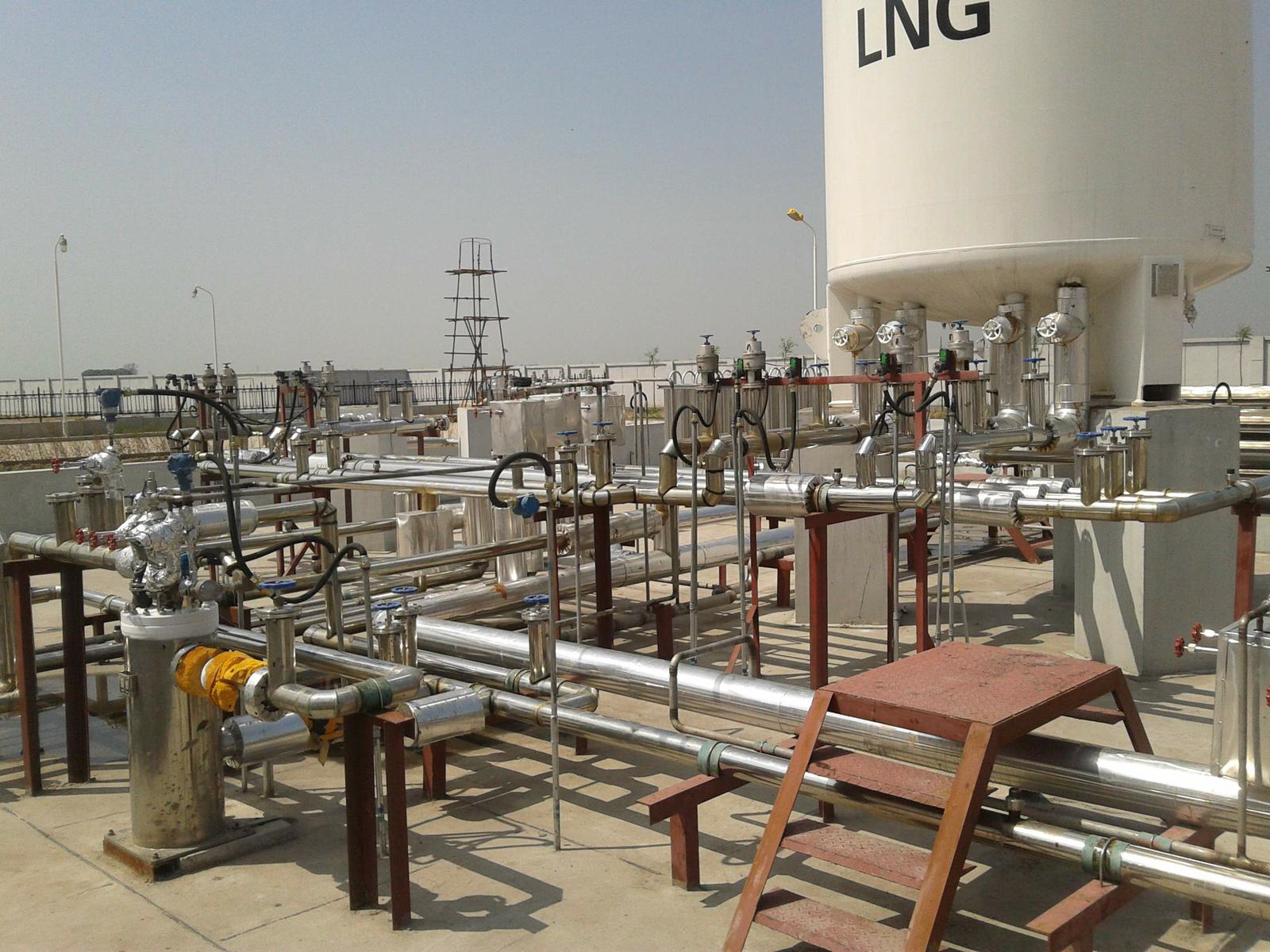
Dynamic Vacuum Pump System for Long-Term Performance
One common issue with traditional static vacuum systems is gradual vacuum degradation over time. Outgassing from internal surfaces, tiny permeation leaks, and thermal cycling can slowly increase annular pressure, reducing insulation effectiveness.
To address this, HL Cryogenics developed a Dynamic Vacuum Pump System designed for long-term vacuum stability.
The system continuously or periodically evacuates the annular space using dry-running scroll pumps or turbomolecular pumps. A non-return valve isolates the vacuum space during standby conditions, while integrated vacuum gauges provide real-time monitoring of annulus pressure.
Adsorber units are also incorporated to capture moisture and residual hydrocarbons inside the vacuum space.
Because the vacuum level is actively maintained, the insulation performance remains stable throughout the service life of the system rather than gradually declining. Under normal operating conditions, the annulus can remain within the 10⁻⁶ mbar range even in hot and humid environments.
This directly contributes to:
- Lower LNG boil-off rates
- More stable liquid delivery
- Reduced maintenance frequency
- Improved lifecycle efficiency
Maintaining Stable Single-Phase LNG Flow
Stable LNG transfer depends not only on insulation performance, but also on effective phase management.
Our vacuum insulated valves are designed to maintain cryogenic temperatures throughout the transfer line while minimizing heat leak at critical control points. Extended bonnet configurations keep stem packing away from the cold zone, helping prevent ice formation and improving operational reliability.
To manage flash gas generated during transfer, vacuum insulated phase separators are installed upstream of pumps or receiving systems. These separators remove vapor from the liquid stream before it reaches sensitive downstream equipment.
The separator design typically includes:
- Tangential inlet flow for centrifugal separation
- Internal level stabilization structures
- Dynamically maintained vacuum insulation
This helps prevent vapor slugging and significantly reduces the risk of pump cavitation.
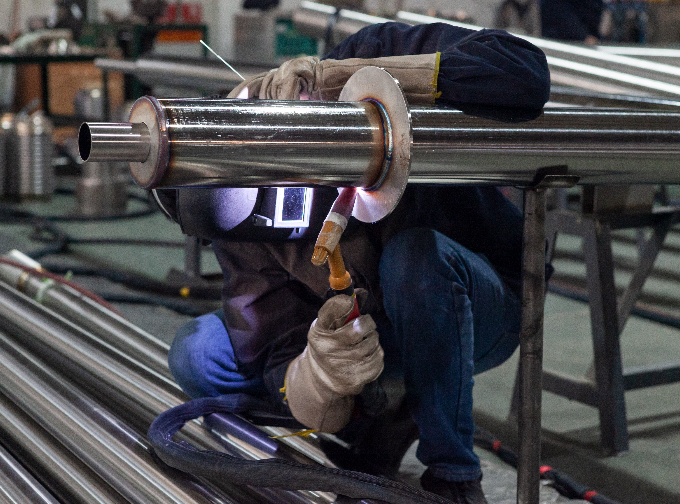
Mini Tanks for Small-Scale LNG and Mobile Systems
For mobile LNG stations, skid systems, or smaller transfer applications, our Mini Tank series provides compact vacuum insulated buffer storage ranging from 100 to 3,000 liters.
The inner vessel is supported using low thermal conductivity structural supports and integrated with active vacuum maintenance technology. These tanks can function as intermediate storage buffers between LNG delivery vehicles and downstream dispensing systems.
Under static operating conditions, self-pressurization rates can typically be limited to below 0.1 bar per hour.
Typical LNG Transfer Performance
A standard LNG transfer system engineered by HL Cryogenics may operate within:
- Working pressures from 6 to 20 bar
- Flow velocities up to 8 m/s
- Heat leak values as low as 0.25 W/m
By integrating rigid vacuum insulated pipe with flexible hose sections at expansion points or articulated loading arms, overall system efficiency can be significantly improved.
In many LNG applications, this translates into boil-off rates below 0.05% per 100 meters of transfer line per hour, helping improve both operational stability and economic performance.
Our vacuum insulated flexible hose assemblies use:
- Corrugated 316L stainless steel inner cores
- Reinforced external braid structures
- MLI-wrapped vacuum annulus construction
This allows the hose to maintain vacuum integrity under repeated flexing and thermal contraction cycles.
Project Example: LNG Terminal in Vietnam
HL Cryogenics recently supplied a 350-meter cryogenic transfer system for an LNG terminal project in Vietnam.
The system was designed to transfer 200 m³/h of LNG from storage tanks to a loading jetty at 10 bar while meeting strict boil-off limitations.
The final configuration included:
- Vacuum insulated rigid pipe for long straight sections
- Flexible vacuum insulated hose at articulated jetty connections
- Dual Dynamic Vacuum Pump Systems maintaining 5 × 10⁻⁶ mbar annulus pressure
During commissioning, measured heat leak stabilized at approximately 0.28 W/m. Compared with the previous polyurethane-insulated pipeline, boil-off was reduced by roughly 80%.
The installation of a vacuum insulated phase separator also eliminated recurring pump cavitation issues that had previously caused operational interruptions.
Today, the system operates with continuous vacuum monitoring and scheduled pump duty cycling to maintain stable performance in Vietnam’s hot and humid coastal environment.
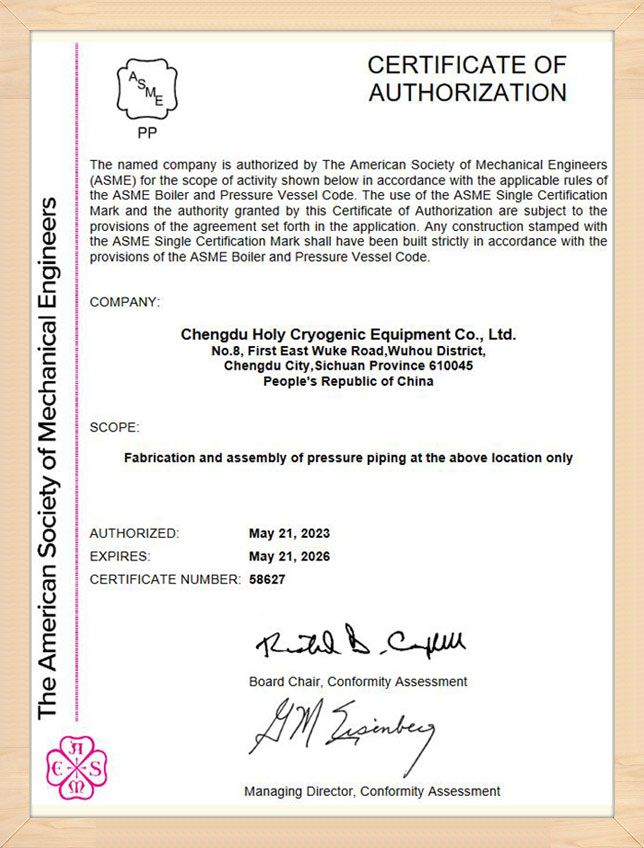
Designed for International Compliance
Our cryogenic transfer systems are designed in accordance with major international standards, including:
- ASME B31.3
- EN 13480
- ISO 21013
- BS 6364 for cryogenic valve testing
This allows HL Cryogenics equipment to support projects across:
- LNG terminals in Southeast Asia
- Semiconductor gas systems in East Asia
- Industrial gas facilities in Europe
- Emerging liquid hydrogen infrastructure projects in the Middle East
We also customize flange standards, bayonet connections, and outer jacket configurations to match regional codes and project-specific operating conditions.
Engineering Support for LNG Transfer Projects
Whether you are developing a new LNG bunkering facility or upgrading an existing cryogenic transfer network, stable vacuum insulation can significantly improve both thermal efficiency and operational reliability.
HL Cryogenics provides integrated engineering support covering:
- Vacuum insulated pipe systems
- Cryogenic flexible hose
- Vacuum insulated valves
- Phase separators
- Mini Tank solutions
- Dynamic vacuum pump systems
Our engineering team can assist with heat leak calculations, pressure drop analysis, and customized system design based on your process requirements.
Post time: May-27-2026


