
Picking the right cryogenic equipment supplier for air separation projects isn’t just about finding the best deal. You really need to dig into their engineering chops. At HL Cryogenics, we’ve seen how the thermal stability and vacuum insulation of the whole system shape the performance of an air separation unit. Sure, a weaker supplier might hand over equipment that looks fine at first. But over time, issues like heat leaks, vacuum loss, and mismatched system components can push operating costs way up—especially in liquid nitrogen, oxygen, or argon networks. So, if you’re in procurement, don’t let the lowest price lure you in; focus on how deep their engineering goes, how well they integrate systems, and how their products perform over the long haul.
Engineering ability is what sets reliable cryogenic systems apart. Air separation plants run nonstop at cryogenic temperatures, and even tiny mistakes in pipe routing, support setup, or allowing for thermal contraction can cause big headaches later. At HL Cryogenics, we treat every project as a full cryogenic transfer system, not just a pile of separate pieces. That means making sure every connection—Vacuum Insulated Pipe, Vacuum Insulated Flexible Hose, Valve, Phase Separator, and Mini Tank—works together smoothly.
The right supplier should understand pressure ranges, flow dynamics, phase stability, and installation challenges. ASUs usually work anywhere from a vacuum up to 40 bar, depending on the process stage, and that takes serious pipe stress analysis and mechanical checks. If a supplier can't handle that level of integration, the best fabrication in the world won’t deliver the reliability you need for industrial gas or LNG infrastructure.
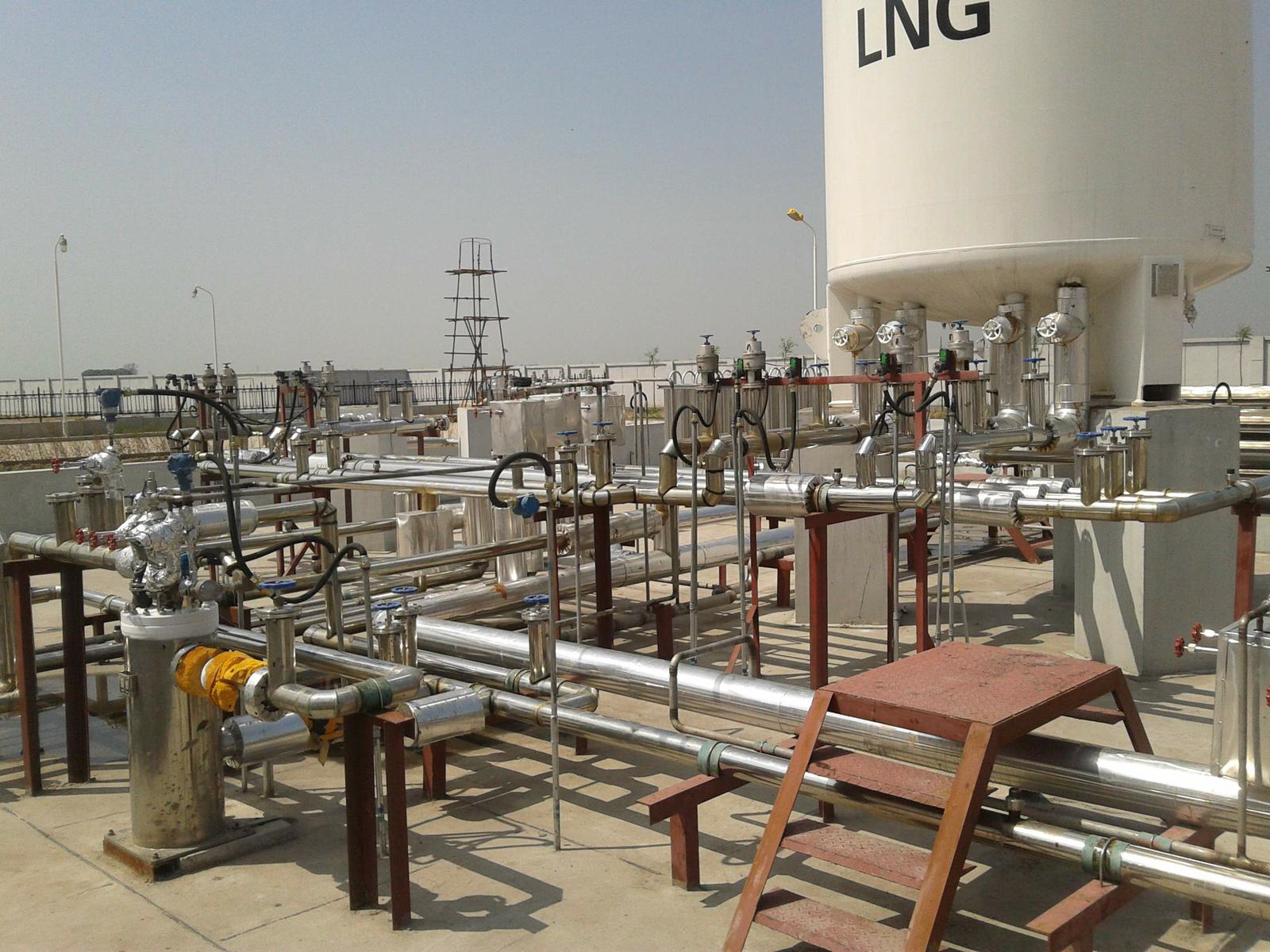
Table of Contents
1. Vacuum Insulated Pipe and Long-Term Heat Leak Reduction
2. System Integration: Hose, Valve, Phase Separator, and Mini Tank
3. Vacuum Stability and Dynamic Vacuum Pump System
4. Global Project Experience, Standards, and Procurement Confidence
● Vacuum Insulated Pipe and Long-Term Heat Leak Reduction
Vacuum Insulated Pipe sits at the heart of any modern air separation distribution system. Its job is to keep heat from sneaking in while cryogenic liquids move through the lines. In these pipe systems, heat creeps in three ways: radiation, leftover gas in the space between pipes, and solid conduction through the supports. Even minor flaws in any of these areas quickly lead to more boil-off and weaker system performance.
At HL Cryogenics, we zero in on vacuum insulation and make it better through smart multilayer insulation designs, careful material choices, and tough, long-lasting vacuum seals. This approach cuts down heat leaks much more than you get with traditional insulated piping. In big liquid nitrogen networks—think chip factories in East Asia or gas plants in Europe—keeping temperatures steady really matters if you want smooth, reliable production.
We treat long-term vacuum stability as a top priority. It’s not enough for the vacuum to be strong at the start; it has to last. A lot of suppliers miss this. Their systems look good on day one but fall apart after a year or two because the vacuum leaks. That’s why, for us, vacuum integrity isn’t just a spec for the handover—it’s a promise for the whole life of the system.
● System Integration: Hose, Valve, Phase Separator, and Mini Tank

By combining our Dynamic Vacuum Pump System, Vacuum Insulated Valve, and Phase Separator, we give you a setup that moves liquid helium efficiently and keeps costs down. Our Mini Tanks and Flexible Hoses let us handle both mobile and fixed jobs with precision.
A good cryogenic equipment supplier doesn’t just hand you a pile of parts and leave you to figure it out—they build a complete system that actually works together. Real air separation plants have tons of connections and interfaces, both mechanical and thermal. Every one of these spots can turn into a heat leak if it’s not engineered right.
Vacuum Insulated Flexible Hosess are a must where equipment connects or anywhere with movement or vibration. Regular hoses can’t handle the job. These vacuum insulated hoses keep heat transfer low, even when things are moving around. Vacuum Insulated Valves matter too—Vacuum Insulated Valves stop heat from sneaking into the system, which is a common issue in cryogenic setups.
Then there’s the Vacuum Insulated Phase Separator. This device separates vapor and liquid before distribution, which keeps delivery consistent. That’s especially important for things like semiconductor manufacturing and other jobs where quality has to be rock-solid. The Mini Tank helps by smoothing out flow ups and downs, so the whole network stays stable, even when demand shifts.
HL Cryogenics brings all these pieces together, building them into one streamlined system. That way, everything fits, installation goes smoothly, and you get reliability that lasts.
● Vacuum Stability and Dynamic Vacuum Pump System
Vacuum stability is a big deal for any cryogenic system. Plenty of suppliers can hit a high vacuum during production, but keeping it that way over time? That’s where the real work begins. As the vacuum starts to slip, heat leaks in. That means more evaporation, unstable operations, and a drop in overall efficiency.
To tackle this, HL Cryogenics came up with the Dynamic Vacuum Pump System. This system doesn’t just seal up a vacuum and hope for the best—it actively keeps an eye on conditions and adjusts as needed. It constantly monitors and keeps the insulation working at its best from day one right through the end of the equipment’s life.
This approach matters most on jobs that run non-stop and can’t afford failures—think LNG projects in Southeast Asia, hydrogen plants in the Middle East, or massive gas operations across Europe. The Dynamic Vacuum Pump System cuts down on maintenance, keeps everything running longer, and really sets itself apart from older, more static designs.
Choosing the right supplier isn’t just about the technology, though. You want someone with serious global project experience who can check all the boxes for international standards. In big air separation projects, for instance, you’re talking strict rules: ASME, CE, ISO—all of it. These standards cover pressure design, welding methods, material traceability, and tight documentation. So, knowing your supplier can handle that makes all the difference.

● Final Perspective
At HL Cryogenics, you’ll find our equipment running in LNG terminals, air separation units, semiconductor plants, and hydrogen projects all over the world. Every project brings its own set of engineering standards and EPC requirements, so we put a lot of focus on clear documentation and open communication. It makes procurement approvals smoother—and nobody likes delays.
A dependable supplier should offer more than just products. You need solid pipe stress analysis, proof of vacuum performance, and real-world operational data. Together, these things lower project risks and make life easier when integrating with the EPC team. When suppliers show up unprepared, you get bottlenecks, especially during commissioning, because the technical details just don’t match up.
Picking the right supplier for air separation projects comes down to long-term reliability. You want a team with proven engineering know-how, experts in vacuum insulation, the ability to integrate whole systems, and, of course, a track record for meeting international standards.
We’re all about complete cryogenic transfer systems—not just one-off pipes or valves. We build everything into a unified setup: Vacuum Insulated Pipe, Flexible Hose, Valves, Phase Separators, Mini Tanks, and our Dynamic Vacuum Pump System. By keeping it all under one engineering umbrella, we deliver steady performance, keep heat leaks low, and give you reliable operation—no matter where in the world you’re working.
If you’re an EPC contractor or you run industrial gas projects and you’re lining up new air separation work, let’s have a technical discussion. We’re here to develop tailored cryogenic solutions that fit your project, right from the start.
● FAQS
Since 1992, HL Cryogenics has specialized in the design and manufacturing of high-vacuum insulated cryogenic piping systems and related support equipment, tailored to meet diverse customer needs. We hold ASME, CE, and ISO 9001 certifications, and have provided products and services to many well-known international enterprises. Our team is sincere, responsible, and committed to excellence in every project we undertake.
Vacuum Insulated/Jacketed Pipe
Vacuum Insulated/Jacketed Flexible Hose
Phase Separator / Vapor Vent
Vacuum Insulated (Pneumatic) Shut-off Valve
Vacuum Insulated Check Valve
Vacuum Insulated Regulating Valve
Vacuum Insulated Connectors for Cold Boxes & Containers
MBE Liquid Nitrogen Cooling Systems
Other cryogenic support equipment related to VI piping — including but not limited to safety relief valve groups, liquid level gauges, thermometers, pressure gauges, vacuum gauges, and electric control boxes.
We are happy to accommodate orders of any size — from single units to large-scale projects.
HL Cryogenics' Vacuum Insulated Pipe (VIP) is manufactured in accordance with the ASME B31.3 Pressure Piping Code as our standard.
HL Cryogenics is a specialized vacuum equipment manufacturer, sourcing all raw materials exclusively from qualified suppliers. We can procure materials that meet specific standards and requirements as requested by customers. Our typical material selection includes ASTM/ASME 300 Stainless Steel with surface treatments such as acid pickling, mechanical polishing, bright annealing, and electro polishing.
The size and design pressure of the inner pipe are determined according to the customer's requirements. The size of the outer pipe follows HL Cryogenics' standard specifications, unless otherwise specified by the customer.
Compared with conventional piping insulation, the static vacuum system provides superior thermal insulation, reducing gasification losses for customers. It is also more cost-effective than a dynamic VI system, lowering the initial investment required for projects.
● Related Posts


Post time: Jun-05-2026


