
In cryogenic engineering, design pressure is not simply a nominal value—it is a critical safety and performance parameter that defines the structural integrity of the entire liquid nitrogen system. At HL Cryogenics, we determine design pressure based on a combination of operating pressure, process dynamics, and failure scenarios.
For a typical cryogenic pipe or Vacuum Insulated Pipe, operating pressures may range from 3 to 10 bar, depending on tank pressure and downstream demand. However, pressure spikes can occur during startup, valve closure, or phase transitions, particularly when liquid nitrogen flashes into gas.
This is why we always incorporate a design margin, ensuring the system remains safe under worst-case conditions.

Table of Contents
1. Key Factors Influencing Design Pressure Selection
2. Applicable Codes and Engineering Standards
3. Typical Design Pressure Ranges
4. Why Design Pressure Is Critical for System Reliability
● Key Factors Influencing Design Pressure Selection
1. Operating Pressure and Source Conditions
The source pressure, which usually comes from a Mini Tank or bulk storage vessel, is always the starting point. These vessels usually work between 2 and 10 bar, but the pressure downstream can change because of flow needs and temperature changes.
We make sure that all parts of a well-designed cryogenic transfer system, such as Vacuum Insulated Flexible Hose and cryogenic hose assemblies, can handle more pressure than the highest possible pressure.
2. Thermal Expansion and Phase Change
At -196°C, liquid nitrogen is very sensitive to heat entering it. Even a small amount of heat loss can cause rapid vaporization, which raises the pressure inside.
This is especially important in systems that don't have good phase management, where trapped liquid can expand and create pressures that are much higher than normal operating values.
To lessen this, we combine:
• Vacuum Insulated Phase Separator units to control the flow of liquids and gases
• Correct systems for venting and relieving pressure
3. Vacuum Insulation Performance and Heat Leak Reduction
The pressure stability depends on how well a Vacuum Insulated Pipe works. At HL Cryogenics, we design our systems to reduce the ways that heat can move, such as: Through supports and materials, conduction Radiation between the pipes inside and outside Residual gas moving around in the annular space
We greatly lower boil-off rates by getting high vacuum levels (usually 10⁻⁴ to 10⁻⁶ mbar), which keeps both temperature and pressure stable.
This directly affects the design pressure that is needed by stopping unexpected pressure buildup.
4. Dynamic Vacuum Stability
The Dynamic Vacuum Pump System is a key difference between our systems. It keeps the vacuum stable over time.
Our solution is different from static vacuum systems that break down because of micro-leaks or permeation. Constantly checks the levels of the vacuum
• Makes up for lost vacuum
• Increases the life and performance of the system
This makes sure that the vacuum insulation works the same way every time, which lowers temperature changes and stops pressure instability in long-distance cryogenic pipe networks.
5. Component Integration and Pressure Ratings
The design pressure must be the same for all parts of the system:
Vacuum Insulated Valve: Keeps things safe and keeps heat from getting in.
Vacuum insulated flexible hose: lets you bend it while keeping the pressure inside.
Vacuum Insulated Phase Separator: Keeps phase behavior in check and stops pressure spikes.
We make these parts work together as a system instead of as separate pieces. This makes sure that the whole liquid nitrogen system can handle the same amount of pressure.
●Applicable Codes and Engineering Standards
●Typical Design Pressure Ranges
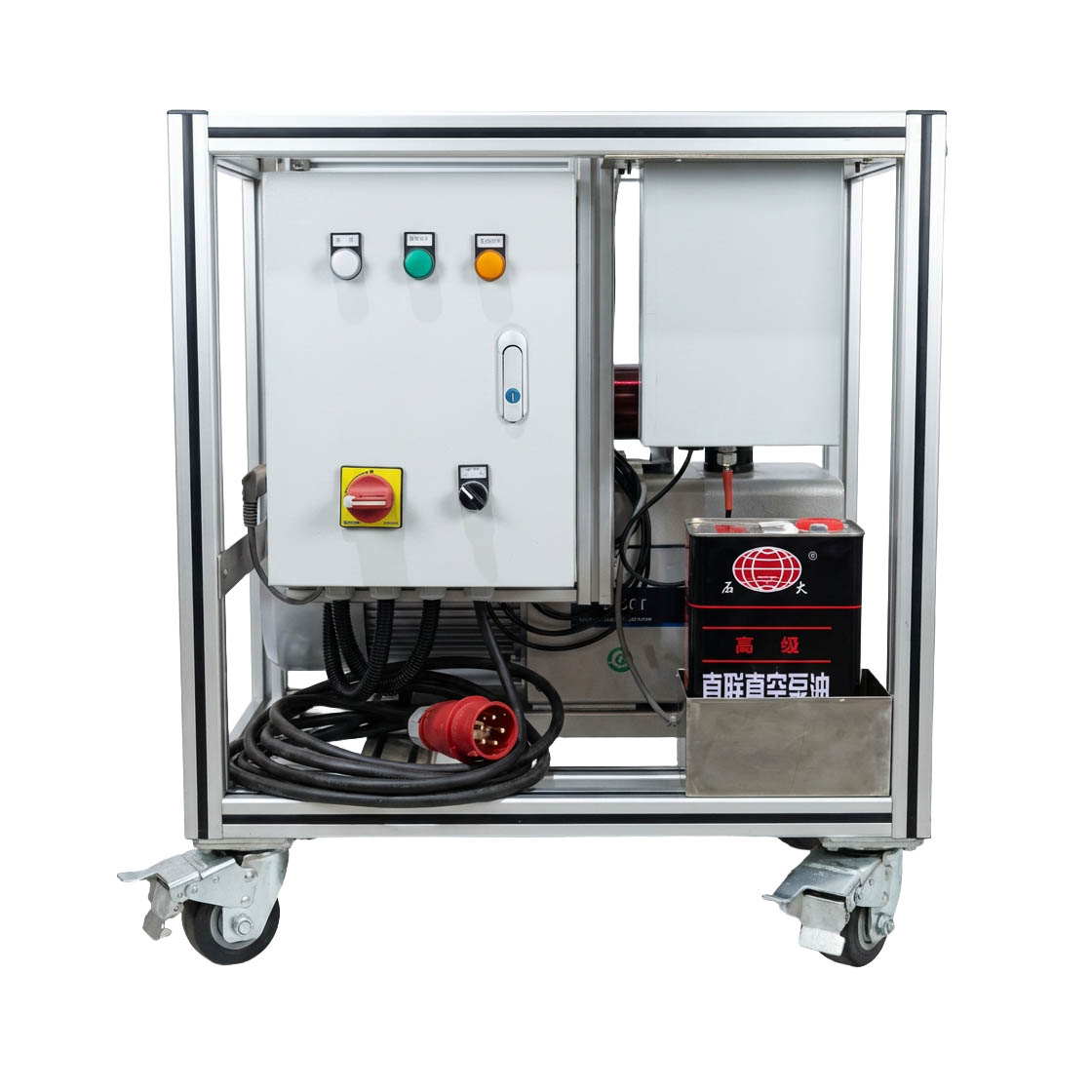
By combining our Dynamic Vacuum Pump System, Vacuum Insulated Valve, and Phase Separator, we give you a setup that moves liquid helium efficiently and keeps costs down. Our Mini Tanks and Flexible Hoses let us handle both mobile and fixed jobs with precision.
Design pressure must follow accepted standards for cryogenic engineering, such as: ASME B31.3 is commonly used in LNG and industrial gas applications. DIN EN 13480 is common in Europe and Southeast Asia. ISO standards for piping and vessels that work at very low temperatures
In regulated markets like LNG infrastructure in Southeast Asia or industrial gas plants in Europe, compliance is not an option; it is a requirement for buying.
We make sure that all HL Cryogenics systems meet or exceed these standards. This includes testing for pressure, certifying materials, and making sure that welding is done well.
From what we've seen in our projects, these are the usual pressure ranges:
- Low-pressure setups (short pipes, steady flow): 10–16 bar
- Medium-complexity systems, like industrial networks: 16–25 bar
- High-risk or dynamic systems (long pipelines, changing loads): up to 40 bar
But honestly, these numbers can shift quite a bit. It all depends on things like how long the pipes are, where they run, any changes in height, how much flow you need to handle, and what kind of safety margins the client or the EPC wants.
● Real example
From what we've seen in our projects, these are the usual pressure ranges:
- Low-pressure setups (short pipes, steady flow): 10–16 bar
- Medium-complexity systems, like industrial networks: 16–25 bar
- High-risk or dynamic systems (long pipelines, changing loads): up to 40 bar
But honestly, these numbers can shift quite a bit. It all depends on things like how long the pipes are, where they run, any changes in height, how much flow you need to handle, and what kind of safety margins the client or the EPC wants.We recently worked on a project for a semiconductor plant in East Asia. The goal was to build a high-purity liquid nitrogen system, so we used Vacuum Insulated Pipe and Flexible Hose. The system normally runs at 6 bar, but because we had to move nitrogen over more than 300 meters, deal with unpredictable flow rates, and stick to very tight purity and reliability standards, we decided to bump up the design pressure to 25 bar.
To tackle these challenges, we combined high-performance vacuum insulation, a dynamic vacuum pump setup, and carefully placed phase separator units. This mix cut heat leaks by more than 95% compared to regular piping. Pressure stayed stable, almost never fluctuating. And, in the first year, we didn’t have a single unexpected shutdown.

● Why Design Pressure Is Critical for System Reliability
From what we've seen in our projects, these are the usual pressure ranges:
- Low-pressure setups (short pipes, steady flow): 10–16 bar
- Medium-complexity systems, like industrial networks: 16–25 bar
- High-risk or dynamic systems (long pipelines, changing loads): up to 40 bar
But honestly, these numbers can shift quite a bit. It all depends on things like how long the pipes are, where they run, any changes in height, how much flow you need to handle, and what kind of safety margins the client or the EPC wants.We recently worked on a project for a semiconductor plant in East Asia. The goal was to build a high-purity liquid nitrogen system, so we used Vacuum Insulated Pipe and Flexible Hose. The system normally runs at 6 bar, but because we had to move nitrogen over more than 300 meters, deal with unpredictable flow rates, and stick to very tight purity and reliability standards, we decided to bump up the design pressure to 25 bar.
To tackle these challenges, we combined high-performance vacuum insulation, a dynamic vacuum pump setup, and carefully placed phase separator units. This mix cut heat leaks by more than 95% compared to regular piping. Pressure stayed stable, almost never fluctuating. And, in the first year, we didn’t have a single unexpected shutdown.Guessing wrong on design pressure? That’s asking for trouble. Go too low, and you could face leaks, breakdowns, or unnecessary boil-off. Not to mention, it’s a big safety gamble. Go too high, and you’re just wasting money on extra materials and drag down your system’s efficiency.
That’s where HL Cryogenics comes in. We don’t just crunch numbers—we pull from deep engineering knowledge, real-world experience, and some seriously advanced cryogenic tech to find that sweet spot.
Picking the right design pressure for a liquid nitrogen transfer line isn’t off-the-shelf work. It takes real know-how in thermodynamics, how materials behave under stress, vacuum tricks, and fitting all those moving parts together into one seamless system.
With our background in Vacuum Insulated Pipe, Valves, Phase Separators, and Dynamic Vacuum Pump Systems, we deliver transfer lines that aren’t just efficient—they’re safe and sturdy, too. We don’t believe in cookie-cutter solutions. Every setup we build is tailored for your operation and your regulatory needs.
If you’re planning a new liquid nitrogen system or want to upgrade what you’ve got, reach out to HL Cryogenics. Let’s build something that really works for you.
● FAQS
Since 1992, HL Cryogenics has specialized in the design and manufacturing of high-vacuum insulated cryogenic piping systems and related support equipment, tailored to meet diverse customer needs. We hold ASME, CE, and ISO 9001 certifications, and have provided products and services to many well-known international enterprises. Our team is sincere, responsible, and committed to excellence in every project we undertake.
Vacuum Insulated/Jacketed Pipe
Vacuum Insulated/Jacketed Flexible Hose
Phase Separator / Vapor Vent
Vacuum Insulated (Pneumatic) Shut-off Valve
Vacuum Insulated Check Valve
Vacuum Insulated Regulating Valve
Vacuum Insulated Connectors for Cold Boxes & Containers
MBE Liquid Nitrogen Cooling Systems
Other cryogenic support equipment related to VI piping — including but not limited to safety relief valve groups, liquid level gauges, thermometers, pressure gauges, vacuum gauges, and electric control boxes.
We are happy to accommodate orders of any size — from single units to large-scale projects.
HL Cryogenics' Vacuum Insulated Pipe (VIP) is manufactured in accordance with the ASME B31.3 Pressure Piping Code as our standard.
HL Cryogenics is a specialized vacuum equipment manufacturer, sourcing all raw materials exclusively from qualified suppliers. We can procure materials that meet specific standards and requirements as requested by customers. Our typical material selection includes ASTM/ASME 300 Series Stainless Steel with surface treatments such as acid pickling, mechanical polishing, bright annealing, and electro polishing.
The size and design pressure of the inner pipe are determined according to the customer's requirements. The size of the outer pipe follows HL Cryogenics' standard specifications, unless otherwise specified by the customer.
Compared with conventional piping insulation, the static vacuum system provides superior thermal insulation, reducing gasification losses for customers. It is also more cost-effective than a dynamic VI system, lowering the initial investment required for projects.
● Related Posts



Post time: Apr-10-2026


