
Temperature control plays an important role in modern aluminum extrusion. From billet preparation to die cooling, maintaining the right thermal conditions can help manufacturers improve production consistency, product quality, and equipment performance.
In applications where liquid nitrogen is used for cooling, reliable cryogenic fluid delivery is essential. Vacuum jacketed pipes (VJPs) provide an effective solution by transporting liquid nitrogen while minimizing heat transfer from the surrounding environment.
By reducing heat ingress and limiting liquid nitrogen evaporation during transfer, vacuum jacketed piping systems help support stable and efficient cooling operations in aluminum extrusion facilities.

What Are Vacuum Jacketed Pipes?
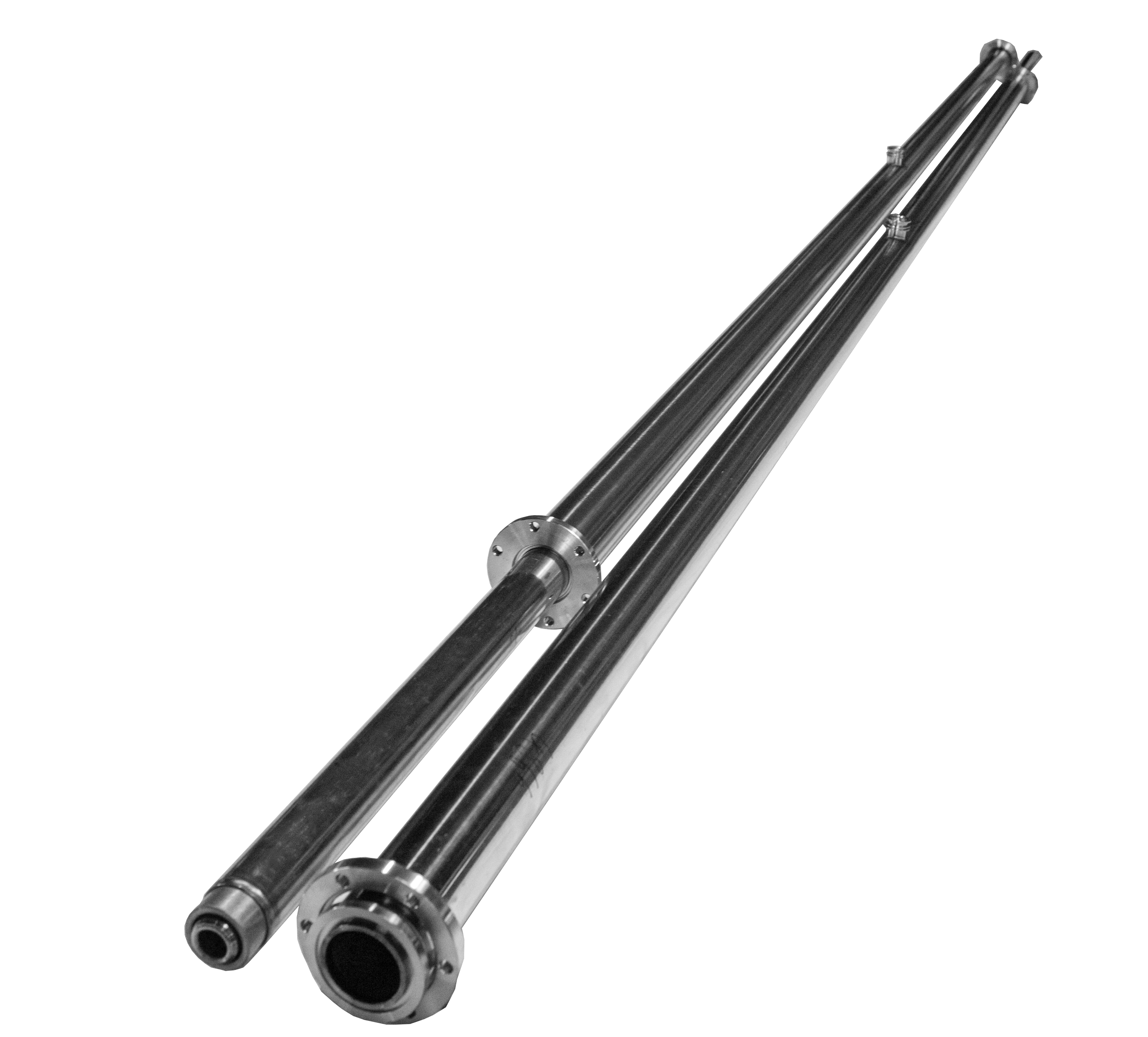
Vacuum jacketed pipes are specially designed piping systems used to transfer cryogenic liquids, such as liquid nitrogen, while minimizing heat transfer.
A typical vacuum jacketed pipe consists of two concentric pipes: an inner pipe that carries the cryogenic fluid and an outer pipe that forms an insulating enclosure. The space between the two pipes is evacuated to create a vacuum insulation layer. Depending on the design, additional insulation materials may also be used to further reduce heat transfer.
This structure significantly limits heat entering the inner pipe from the surrounding environment. As a result, liquid nitrogen can be transported with lower heat gain and reduced boil-off compared with conventional uninsulated piping.
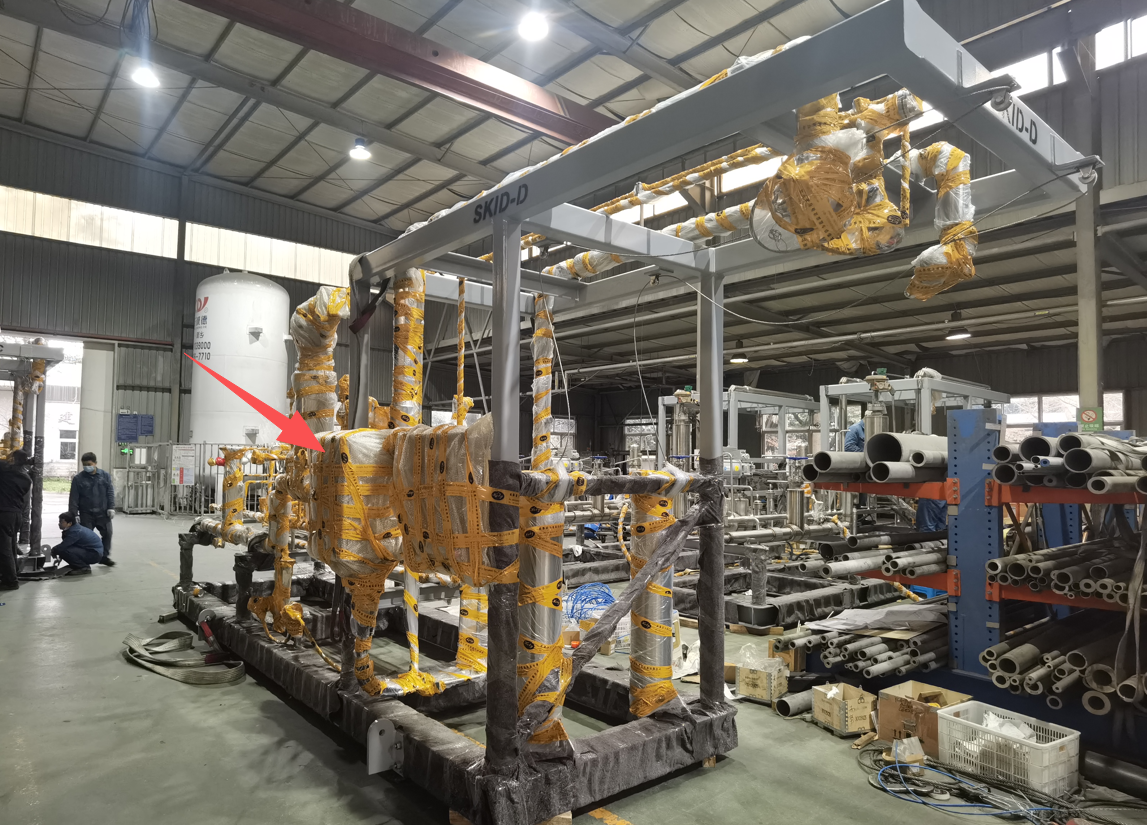
In aluminum extrusion facilities that use liquid nitrogen cooling, vacuum jacketed pipes provide an insulated connection between the liquid nitrogen supply system and the cooling equipment.
How Are Vacuum Jacketed Pipes Used in Aluminum Extrusion?
Aluminum extrusion involves heating aluminum billets and forcing them through a specially designed die to produce profiles with specific cross-sectional shapes. Temperature conditions during the process can influence material flow, extrusion speed, surface quality, and the properties of the finished profiles.
Some aluminum extrusion processes use liquid nitrogen to provide localized cooling, particularly around dies and other process equipment. In these applications, the liquid nitrogen must be delivered reliably from the storage or supply system to the point of use.
This is where vacuum jacketed pipes become important.
By maintaining the low temperature of the liquid nitrogen during transportation, VJPs help reduce premature evaporation and support a more consistent supply of cryogenic fluid to the cooling equipment.
A properly designed vacuum insulated piping system can also help reduce unnecessary nitrogen consumption and improve the reliability of the overall cooling arrangement.
Key Benefits of Vacuum Jacketed Pipes in Aluminum Extrusion
1. Reduced Heat Transfer During Liquid Nitrogen Transportation
Liquid nitrogen is extremely sensitive to heat entering the piping system. Even relatively small amounts of heat can cause evaporation and increase nitrogen consumption.
Vacuum jacketed pipes minimize heat transfer through their vacuum insulation structure. This helps maintain the low temperature of liquid nitrogen during transportation and reduces premature boil-off.
For aluminum extrusion facilities, this can improve the efficiency of liquid nitrogen delivery and help maintain a more reliable supply to the cooling points.
2. Improved Cooling System Efficiency
When liquid nitrogen evaporates excessively inside a conventional piping system, more nitrogen may be required to deliver the desired cooling capacity at the point of use.
Vacuum insulated piping helps reduce this heat-related loss by limiting heat ingress along the transfer route.
As a result, the cooling system can make more effective use of the liquid nitrogen supplied, potentially reducing operating costs associated with nitrogen consumption.
3. More Stable Cryogenic Fluid Supply
Consistent fluid delivery is important for industrial cooling applications. Excessive heat transfer in the pipeline can increase vapor formation and affect the flow conditions of the cryogenic medium.
Vacuum jacketed pipes help limit these effects by maintaining better thermal conditions throughout the piping route.
When properly sized and integrated with the liquid nitrogen supply system, they can support more stable cryogenic fluid delivery to aluminum extrusion equipment.
4. Reduced Condensation and Frost Formation
When extremely cold piping surfaces are exposed to humid ambient air, moisture can condense and freeze on the outside of the pipe.
The vacuum insulation layer helps keep the outer pipe surface closer to ambient temperature under normal operating conditions, reducing the risk of condensation and frost formation.
This can help improve workplace conditions around the piping system and reduce issues associated with external ice accumulation.
5. Reliable Performance in Industrial Environments
Aluminum extrusion facilities often operate continuously and require equipment that can withstand demanding industrial conditions.
Vacuum jacketed pipes are commonly manufactured using stainless steel inner and outer pipes, providing good corrosion resistance and mechanical durability when properly selected for the operating environment.
With suitable design, installation, and maintenance, a vacuum insulated piping system can provide long-term service for industrial liquid nitrogen applications.
What Should Be Considered When Selecting Vacuum Jacketed Pipes?
Selecting the right vacuum jacketed piping system requires more than simply choosing a pipe diameter. The system should be designed around the operating conditions and requirements of the aluminum extrusion process.
Important factors include:
- Operating temperature: The piping system must be suitable for liquid nitrogen service and the expected operating temperature range.
- Design pressure: The inner pipe, fittings, valves, and connections must be designed for the specified operating and design pressures.
- Pipe diameter and flow rate: Proper sizing helps meet the required liquid nitrogen flow rate while considering pressure drop and fluid conditions.
- Heat leak performance: Insulation performance should be evaluated based on the required operating conditions and pipeline length.
- Connection and installation requirements: The piping layout should account for equipment connections, thermal contraction, supports, and installation space.
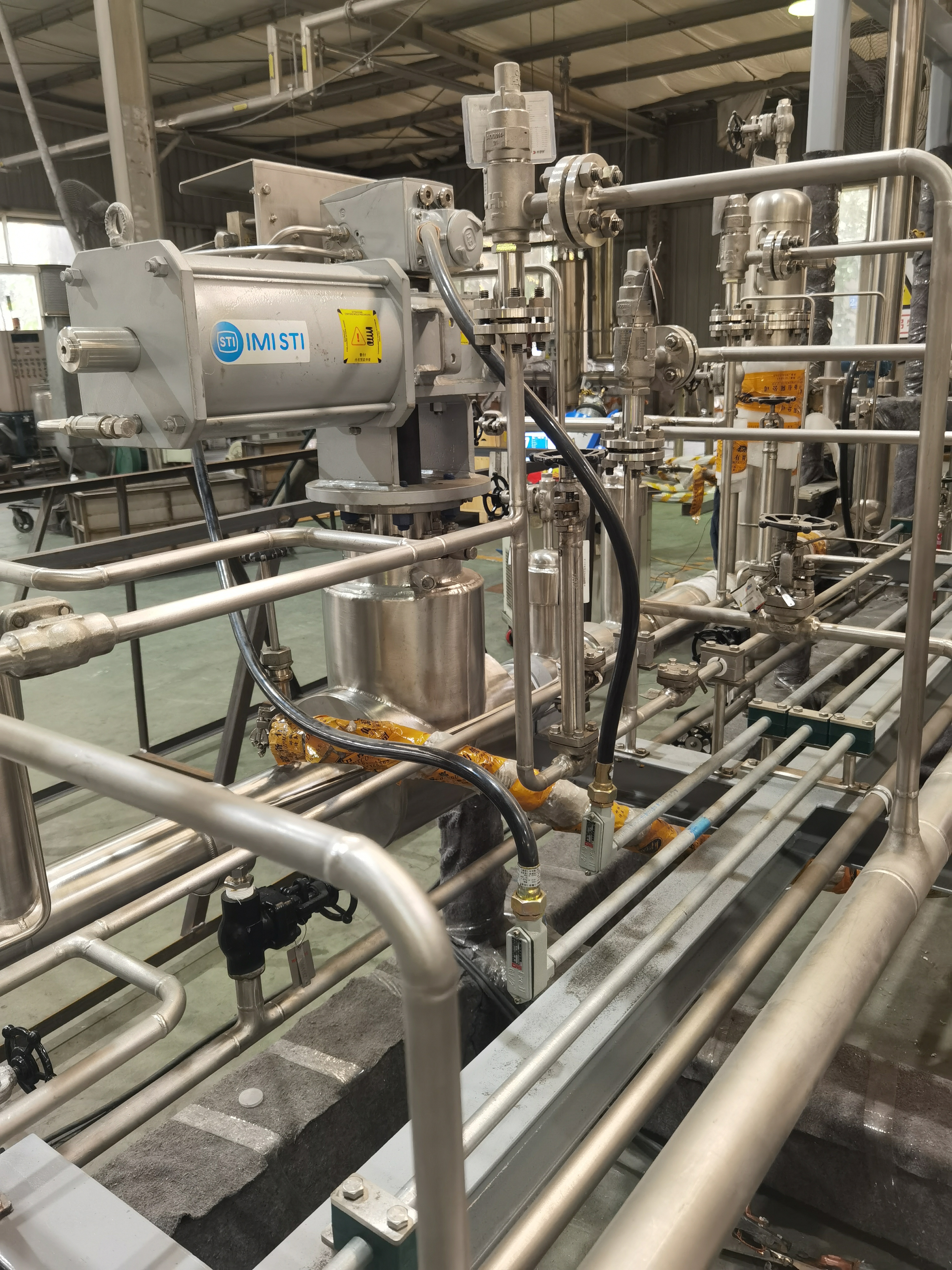
- Safety and maintenance: Appropriate pressure relief provisions, vacuum monitoring where required, and suitable inspection procedures should be considered.
Working with an experienced vacuum insulated piping manufacturer can help ensure that the system is properly configured for the specific requirements of the application.
Conclusion
Liquid nitrogen cooling can play an important role in certain aluminum extrusion processes, and efficient cryogenic fluid transportation is essential to making these systems work reliably.
Vacuum jacketed pipes provide an effective way to transfer liquid nitrogen while minimizing heat ingress and reducing premature evaporation. Their insulation performance can help improve nitrogen utilization, support stable fluid delivery, and reduce frost formation around the pipeline.
For aluminum extrusion manufacturers looking to improve the efficiency and reliability of their liquid nitrogen cooling systems, a properly designed vacuum jacketed piping solution is an important part of the overall installation.
Post time: Nov-17-2026


