
Temperature control is essential in biotechnology, particularly when handling sensitive biological materials such as vaccines, blood plasma, cells, and tissue samples. Many of these materials require carefully controlled storage conditions to maintain their quality, stability, and biological activity.
Liquid nitrogen (LN2) is widely used in biotechnology and life science facilities for cryogenic preservation. However, delivering liquid nitrogen efficiently from storage tanks to cryogenic equipment requires a reliable piping system.
This is where vacuum insulated pipes (VIPs) play an important role. Designed to minimize heat transfer, vacuum insulated pipes help maintain the low temperatures of cryogenic fluids during transportation, reduce liquid nitrogen evaporation, and support the reliable operation of cryogenic systems.
What Are Vacuum Insulated Pipes?
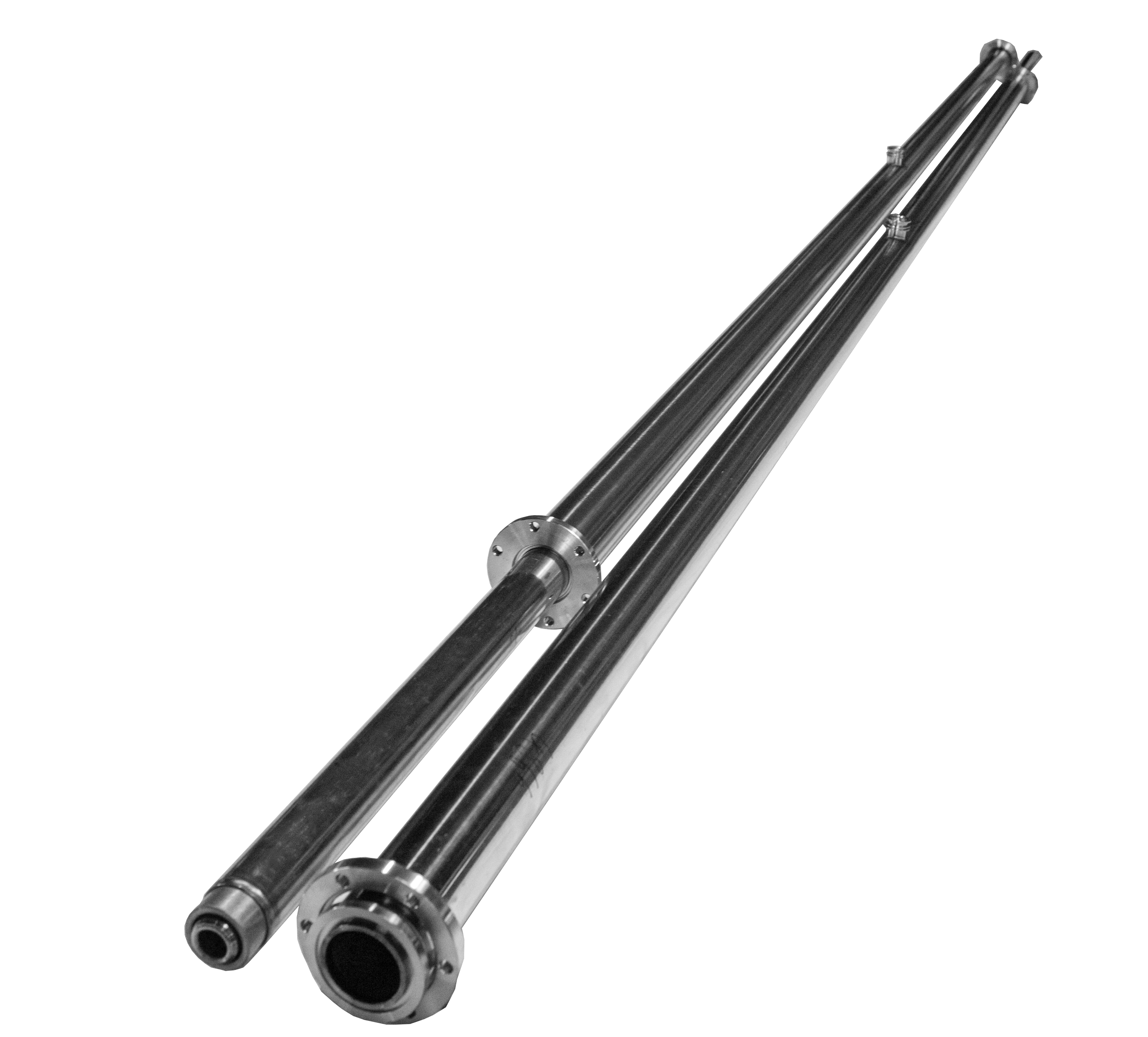
Vacuum insulated pipes are specialized piping systems designed to transfer cryogenic liquids, such as liquid nitrogen, while minimizing heat gain from the surrounding environment.
A typical vacuum insulated pipe consists of two concentric pipes. The inner pipe carries the cryogenic fluid, while the outer pipe provides a protective enclosure. The space between these two pipes is evacuated to create a vacuum insulation layer. Depending on the design, additional insulation materials, such as multilayer insulation (MLI), may also be incorporated to improve thermal performance.
By reducing heat transfer through conduction and convection, this structure helps maintain the temperature of cryogenic fluids during transportation.
Compared with conventional insulated piping, vacuum insulated pipes can significantly reduce heat ingress and premature evaporation, making them suitable for applications that require a continuous and reliable supply of cryogenic fluids.
The Role of Vacuum Insulated Pipes in Biotechnology
Biotechnology facilities rely on cryogenic systems for a range of applications, including cell banking, tissue preservation, biological sample storage, and pharmaceutical research.
Liquid nitrogen is commonly used to maintain the ultra-low temperatures required by many cryopreservation processes. In larger facilities, liquid nitrogen must be transferred from bulk storage tanks to different pieces of equipment, including cryogenic freezers and automated storage systems.
Vacuum insulated pipes provide an effective connection between the liquid nitrogen supply and these cryogenic applications.
Their main functions include:
- Liquid nitrogen transportation: Delivering LN2 from bulk storage tanks to cryogenic freezers, storage equipment, and other points of use.
- Temperature maintenance: Minimizing heat transfer during transportation to help preserve the low temperature of the cryogenic fluid.
- Reduced nitrogen loss: Limiting premature evaporation caused by heat entering the piping system.
- Reliable cryogenic supply: Supporting stable operation of cryogenic equipment through a properly designed and installed piping network.
For biotechnology facilities with multiple cryogenic storage units or high liquid nitrogen consumption, a well-designed vacuum insulated piping system can be an important part of the overall cryogenic infrastructure.

Key Benefits of Vacuum Insulated Pipes in Biotechnology
1. Excellent Thermal Insulation
Maintaining low temperatures is essential for cryogenic applications. Heat entering a conventional piping system can cause liquid nitrogen to evaporate before it reaches the intended equipment.
Vacuum insulated pipes minimize heat transfer through their vacuum insulation structure. This helps maintain the temperature of liquid nitrogen during transportation and reduces unwanted heat ingress.
For biotechnology facilities, effective thermal insulation supports more efficient cryogenic fluid delivery and helps maintain the operating conditions required by downstream equipment.
2. Reduced Liquid Nitrogen Consumption
Liquid nitrogen evaporation during transportation can increase operating costs, particularly in facilities with continuous or high-volume cryogenic demand.
By reducing heat ingress, vacuum insulated pipes help limit premature liquid nitrogen boil-off along the pipeline.
This allows more efficient use of the liquid nitrogen supply and can help reduce unnecessary cryogen consumption over time.
3. Reliable Supply for Cryogenic Equipment
Biotechnology facilities often operate multiple cryogenic freezers and storage systems that depend on a reliable liquid nitrogen supply.
A properly designed vacuum insulated piping network can connect central storage tanks with different points of use, helping deliver cryogenic fluid throughout the facility.
With suitable pipe sizing, pressure control, and system design, vacuum insulated pipes can support the operational requirements of modern cryogenic installations.
4. Reduced Frost and Condensation
When extremely cold piping surfaces are exposed to humid ambient air, moisture can condense and freeze, creating frost or ice around the pipeline.
The vacuum insulation layer helps reduce heat transfer and keeps the outer pipe surface closer to ambient temperature under normal operating conditions.
This can reduce external frost formation and help maintain a cleaner, more manageable installation environment.
5. Suitable for Large-Scale Cryogenic Systems
As biotechnology and pharmaceutical facilities expand, their demand for cryogenic storage and supply infrastructure may also increase.
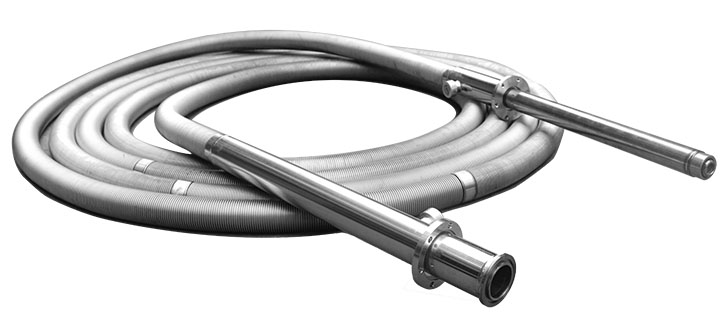
Vacuum insulated pipes are available in different diameters, lengths, and configurations to suit specific installation requirements. Straight pipes, elbows, flexible connections, and other components can be integrated into a complete piping network.
This flexibility makes vacuum insulated piping suitable for both new cryogenic installations and the expansion of existing liquid nitrogen supply systems.
What Should Be Considered When Selecting Vacuum Insulated Pipes?
Choosing the right vacuum insulated piping system requires careful consideration of the facility’s operating conditions and cryogenic requirements.
Important factors include:
- Cryogenic medium: Confirm whether the system will transport liquid nitrogen or another cryogenic fluid. Material selection and cleaning requirements may differ depending on the medium.
- Operating temperature: Ensure that the inner pipe, fittings, valves, and connections are suitable for the required cryogenic temperature.
- Design pressure: The piping system should meet the specified operating and design pressure requirements.
- Flow rate and pipe diameter: Proper sizing helps achieve the required liquid nitrogen supply while accounting for pressure drop and flow conditions.
- Heat leak performance: Evaluate insulation performance according to pipeline length, operating conditions, and required nitrogen consumption.
- Installation layout: Consider connection points, pipeline routing, thermal contraction, pipe supports, and available installation space.
- Safety and maintenance: Appropriate pressure relief devices, vacuum monitoring where required, and inspection procedures should be included in the system design.
Working with an experienced vacuum insulated piping manufacturer can help ensure that the piping system meets the technical and operational requirements of the facility.
Conclusion
Cryogenic technology plays an important role in biotechnology, supporting applications such as cell banking, tissue preservation, biological sample storage, and pharmaceutical research.
For facilities that rely on liquid nitrogen, efficient cryogenic fluid transportation is essential. Vacuum insulated pipes provide an effective solution by minimizing heat transfer, reducing premature liquid nitrogen evaporation, and supporting a reliable supply to cryogenic equipment.
As biotechnology facilities continue to expand their cryogenic infrastructure, vacuum insulated piping systems will remain an important component in improving liquid nitrogen transfer efficiency and supporting reliable low-temperature operations.
Post time: Nov-20-2026


