
Liquid nitrogen (LN2) is widely used in industries where extremely low temperatures are required. With a boiling point of approximately -196°C (-320°F) at atmospheric pressure, it plays an important role in medical research, pharmaceutical storage, food processing, metal treatment, and various industrial applications.
However, transferring liquid nitrogen from storage tanks to points of use presents a significant engineering challenge. Even a relatively small amount of heat entering the piping system can cause liquid nitrogen to vaporize, resulting in product loss, pressure fluctuations, and increased operating costs.
This is where vacuum insulated pipes (VIPs) come into play. Designed specifically for cryogenic fluid transfer, these pipes use a vacuum-insulated annular space to minimize heat transfer and maintain stable operating temperatures. They provide a reliable solution for transporting liquid nitrogen over different distances while reducing unwanted heat input.
Why Is Thermal Insulation Important in Liquid Nitrogen Piping?
Liquid nitrogen must remain at cryogenic temperatures throughout the transfer process. Unlike conventional industrial fluids, it is extremely sensitive to heat leakage from the surrounding environment.
When heat enters a liquid nitrogen pipeline, part of the liquid begins to evaporate. This phenomenon, commonly known as boil-off, can lead to several operational issues:
- Product loss: Liquid nitrogen evaporates before reaching its destination, reducing transfer efficiency.
- Pressure fluctuations: Vapor generation can affect pressure stability within the piping system.
- Increased operating costs: Additional liquid nitrogen may be required to compensate for evaporation losses.
- Operational challenges: Excessive vaporization can affect downstream equipment and process stability.
Conventional insulation materials can reduce heat transfer, but their performance may not be sufficient for applications requiring continuous cryogenic fluid transfer.
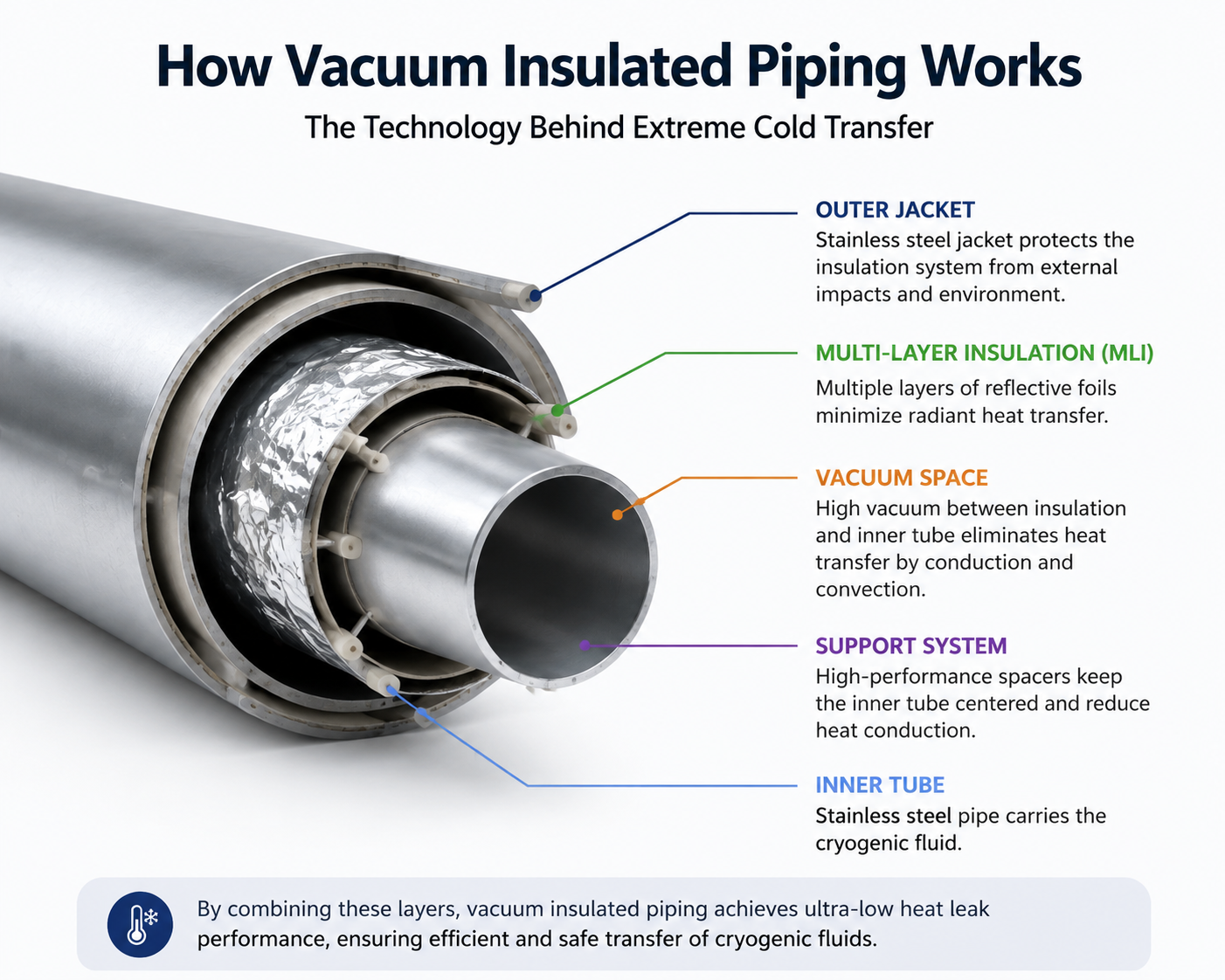
Vacuum insulated piping addresses this challenge through a double-wall construction. The inner pipe carries liquid nitrogen, while the outer pipe forms an enclosed vacuum jacket. By reducing heat transfer through the annular space, the system helps maintain the low temperatures required for efficient LN2 transportation.
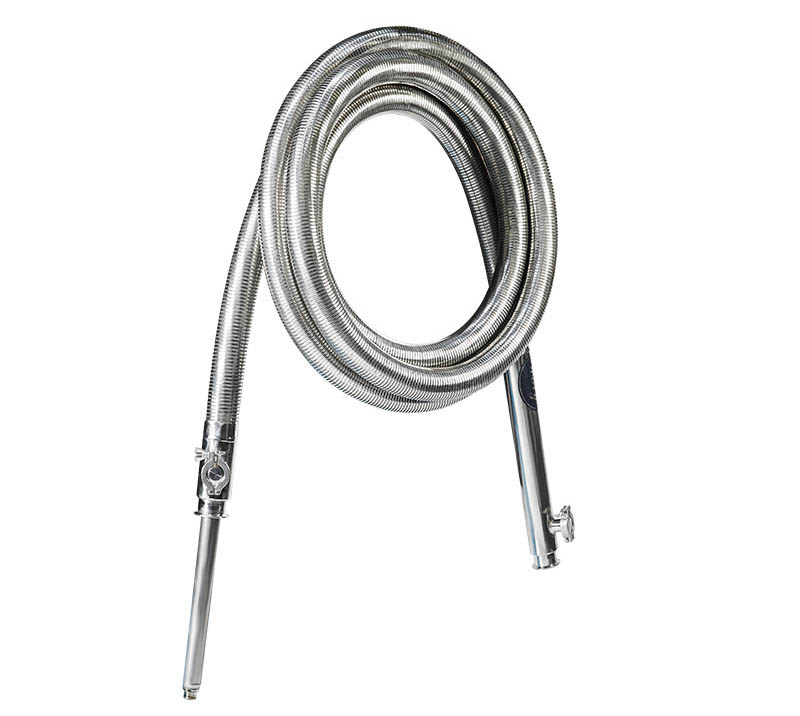
How Do Vacuum Insulated Pipes Work?
A typical vacuum insulated pipe consists of an inner process pipe and an outer protective jacket. The space between these two pipes is evacuated to create a high-vacuum environment.
This vacuum layer significantly reduces heat transfer through gas conduction and convection. Depending on the design, additional insulation materials and radiation shields may also be incorporated to further improve thermal performance.
The main components generally include:
- Inner pipe: Carries liquid nitrogen from the supply source to the point of use.
- Outer jacket: Provides mechanical protection and encloses the vacuum space.
- Vacuum insulation layer: Minimizes heat transfer from the surrounding environment.
- Support and spacer components: Maintain the position of the inner pipe while limiting thermal bridges.
- Vacuum maintenance components: Help maintain the required vacuum conditions throughout the service life.
By combining these design features, vacuum insulated pipes can significantly reduce heat leakage compared with conventional insulated piping, making them suitable for continuous liquid nitrogen transfer.
Key Applications of Vacuum Insulated Pipes in Liquid Nitrogen Systems
Liquid nitrogen is used in a wide range of industries. Each application has different requirements for flow rate, operating pressure, piping layout, and temperature stability.
1. Medical and Pharmaceutical Applications
Liquid nitrogen is widely used in cryopreservation, where biological materials such as cells, tissues, reproductive samples, and other sensitive specimens are stored at ultra-low temperatures.
In large medical and research facilities, liquid nitrogen is often supplied from centralized storage tanks to multiple cryogenic freezers or storage vessels.
Vacuum insulated pipes provide an efficient connection between these systems, helping minimize heat input during transfer. This is particularly important in facilities where liquid nitrogen is consumed regularly and a stable supply is required.
2. Food Processing and Cryogenic Freezing
In the food industry, liquid nitrogen is commonly used for rapid freezing and temperature control.
Cryogenic freezing allows food products to reach low temperatures quickly, helping preserve their texture, appearance, and overall quality. It is used in applications involving meat, seafood, bakery products, and ready-to-eat foods.
Vacuum insulated piping helps deliver liquid nitrogen from bulk storage tanks to freezing tunnels, spray systems, and other production equipment.
For facilities with continuous production lines, minimizing heat leakage during transportation can help improve nitrogen utilization and maintain a more consistent supply.
3. Industrial Manufacturing and Metal Treatment
Liquid nitrogen also plays an important role in industrial manufacturing.
Typical applications include:
- Shrink fitting: Cooling metal components to temporarily reduce their dimensions, allowing easier assembly.
- Cryogenic treatment: Exposing certain materials and components to extremely low temperatures to modify their material properties.
- Inerting and purging: Using nitrogen gas to displace oxygen in selected industrial processes.
- Industrial cooling: Supplying low-temperature nitrogen for specialized manufacturing operations.
In these applications, vacuum insulated pipes help maintain efficient liquid nitrogen delivery between storage facilities and production equipment, particularly where long piping routes or continuous operation are involved.
Key Benefits of Vacuum Insulated Piping for Liquid Nitrogen Transfer
Choosing the right piping system can have a direct impact on the efficiency and operating costs of a cryogenic installation.
Some of the main advantages of vacuum insulated pipes include:
Reduced Heat Leakage and Boil-Off Losses
The vacuum insulation structure limits heat transfer from the surrounding environment. This helps reduce unwanted liquid nitrogen evaporation during transportation and improves overall transfer efficiency.
Improved Temperature Stability
Minimizing external heat input helps maintain more consistent cryogenic conditions throughout the pipeline. This is particularly valuable for applications involving temperature-sensitive processes or continuous LN2 supply.
Better Energy and Operating Efficiency
Reducing nitrogen losses can lower the amount of liquid nitrogen required to support daily operations. Over time, this may contribute to lower operating costs, depending on the system configuration and operating conditions.
Suitable for Complex Piping Layouts
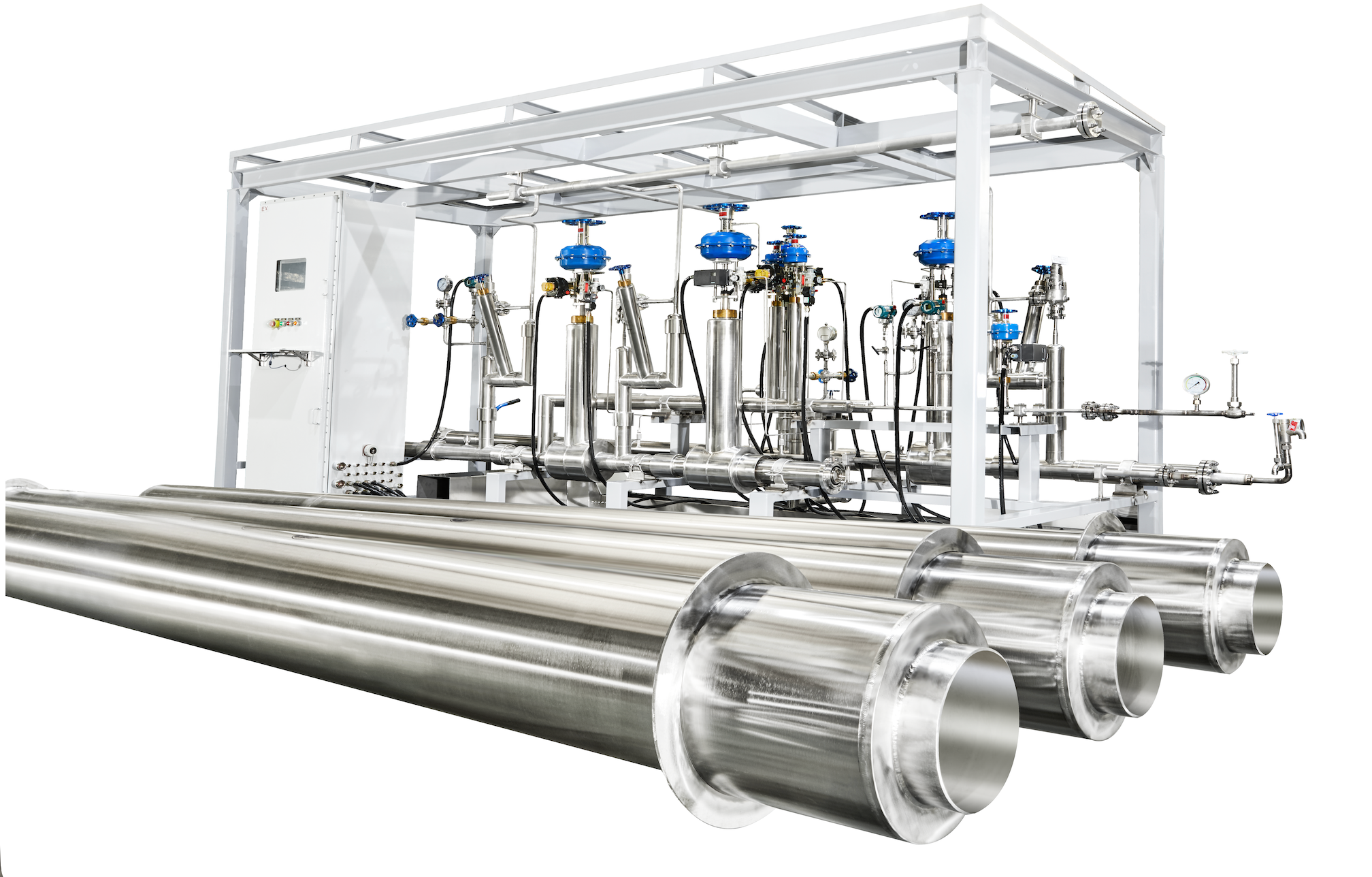
Vacuum insulated piping systems can be designed in different diameters, lengths, and configurations to suit specific installation requirements. They can incorporate straight pipe sections, elbows, tees, valves, and other specialized components.
This flexibility makes them suitable for both new cryogenic installations and the expansion of existing liquid nitrogen distribution networks.
Factors to Consider When Selecting a Liquid Nitrogen Piping System
Not all cryogenic piping systems have the same design requirements. Before selecting a vacuum insulated pipe, several technical factors should be evaluated:
- Operating pressure: The piping system must be designed to withstand the required operating and design pressures.
- Flow rate: Pipe diameter and configuration should be selected according to the required liquid nitrogen flow rate.
- Heat leakage: Thermal performance should be evaluated based on the required transfer conditions and acceptable boil-off levels.
- Piping layout: Installation distance, bends, connections, and available space can influence the overall system design.
- Material selection: Materials must be suitable for cryogenic temperatures and the applicable pressure and mechanical requirements.
- Vacuum performance: The vacuum level and long-term vacuum stability are important factors affecting insulation performance.
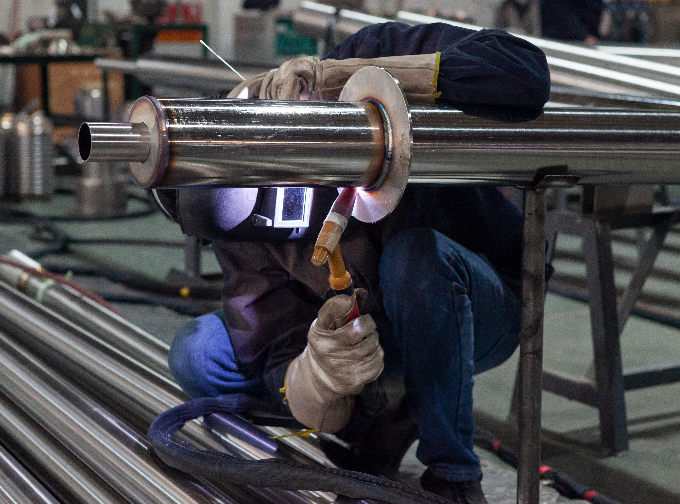
Working with an experienced cryogenic piping manufacturer can help ensure that the system is designed around the actual operating conditions rather than relying on standard piping configurations.
Conclusion
Efficient liquid nitrogen transfer requires more than simply connecting a storage tank to the equipment that uses it. Heat leakage, vaporization, pressure conditions, and piping configuration all influence the performance of a cryogenic system.
Vacuum insulated pipes provide an effective way to minimize heat transfer and reduce liquid nitrogen losses during transportation. From medical and pharmaceutical facilities to food processing plants and industrial manufacturing, they support reliable cryogenic fluid distribution across a wide range of applications.
As industrial demand for cryogenic technologies continues to grow, well-designed vacuum insulated piping systems will remain an important part of efficient and dependable liquid nitrogen infrastructure.
Post time: Nov-12-2026


