
Cryogenic fluids play an essential role in a wide range of industries, from medical and pharmaceutical applications to aerospace, industrial gas processing, and scientific research. Whether transporting liquid nitrogen, liquid oxygen, or other low-temperature fluids, maintaining stable temperatures and minimizing heat ingress are critical to system performance.
As cryogenic technology continues to evolve, the demand for greater operational visibility, reliability, and safety is driving the development of smarter fluid transfer solutions. One promising approach is the integration of sensors into Vacuum Insulated Pipes (VIPs) and Vacuum Insulated Hoses (VIHs), enabling continuous monitoring of key operating parameters throughout the system.
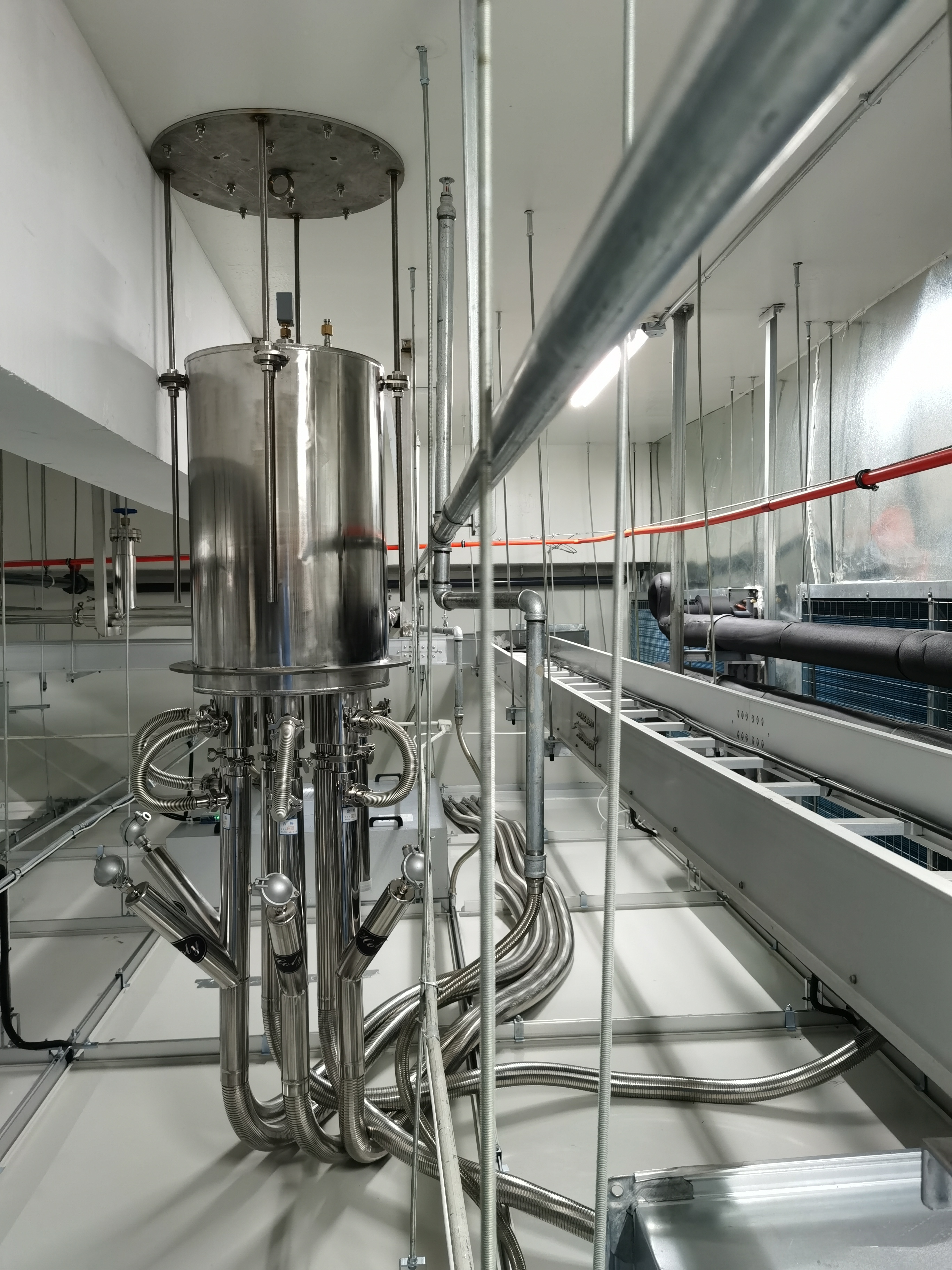
Real-Time Monitoring for Better System Visibility
Conventional vacuum insulated piping systems are primarily designed to minimize heat transfer and maintain the temperature of cryogenic fluids during transportation. However, insulation performance alone does not provide operators with sufficient information about the actual operating condition of the system.
By integrating sensors into VIPs and VIHs, operators can monitor critical parameters such as temperature, pressure, vacuum level, and mechanical strain in real time. This provides a clearer picture of system performance and helps identify abnormal operating conditions before they develop into more serious problems.
Rather than relying solely on periodic inspections, sensor-integrated cryogenic systems offer a more proactive approach to equipment monitoring and maintenance.
Improving Thermal Efficiency and Reducing Product Loss
Heat ingress is one of the main challenges in cryogenic fluid transfer. Even small increases in heat leakage can lead to fluid evaporation, pressure changes, and increased product loss.
Temperature sensors installed at strategic locations along Vacuum Insulated Pipes can help identify areas where thermal performance may be deteriorating. These measurements provide useful information for evaluating insulation effectiveness, detecting potential thermal bridges, and identifying sections that require further inspection.
With more accurate temperature data, operators can make informed maintenance decisions, improve thermal efficiency, and reduce unnecessary cryogenic fluid losses.
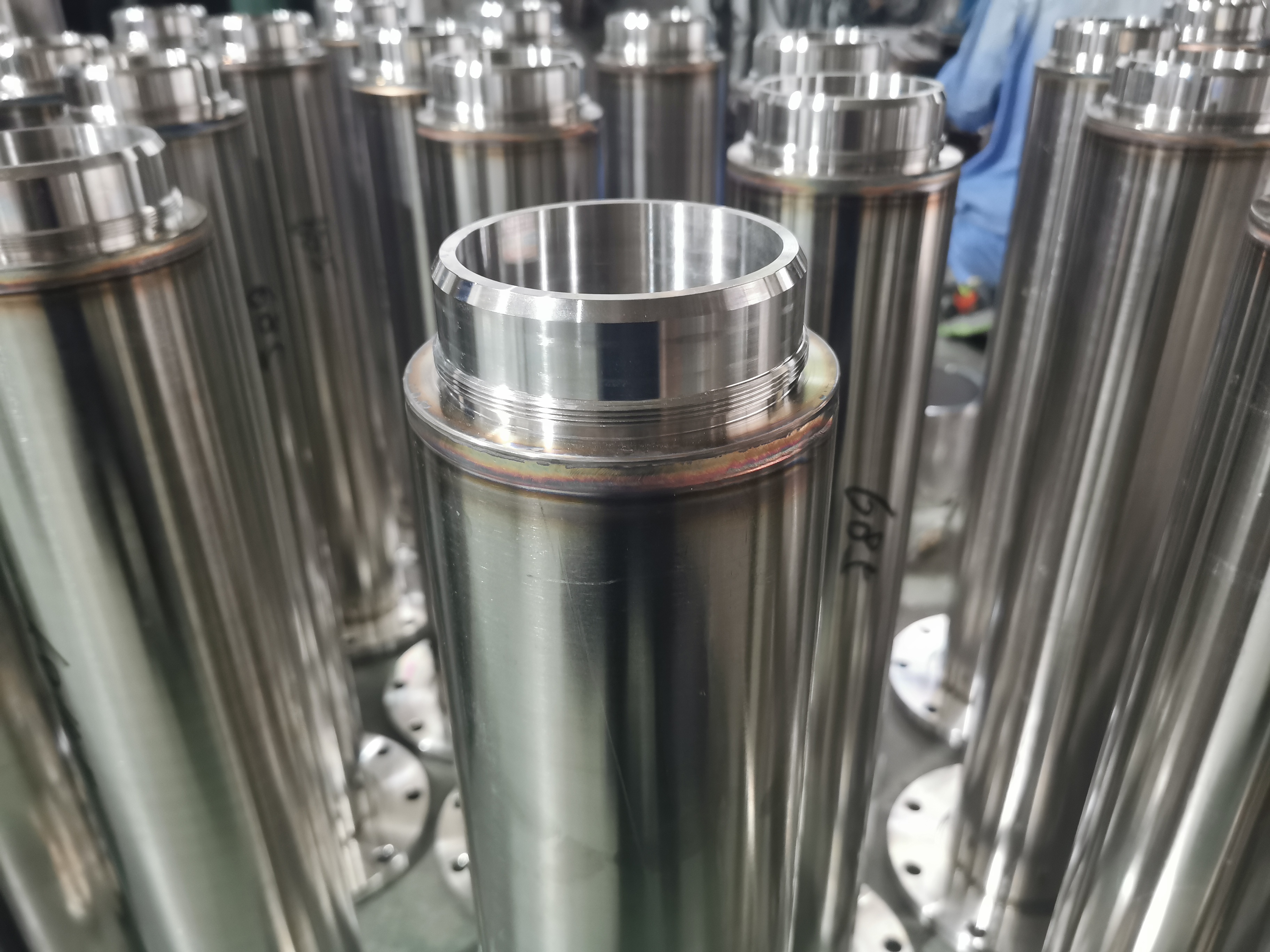
Pressure and Vacuum Monitoring for Reliable Operation
Pressure and vacuum conditions are equally important to the performance of cryogenic transfer systems.
Pressure sensors can help identify unexpected pressure fluctuations, potential flow restrictions, and abnormal operating conditions. Meanwhile, vacuum sensors can monitor the insulation annulus and provide early indications of vacuum degradation.
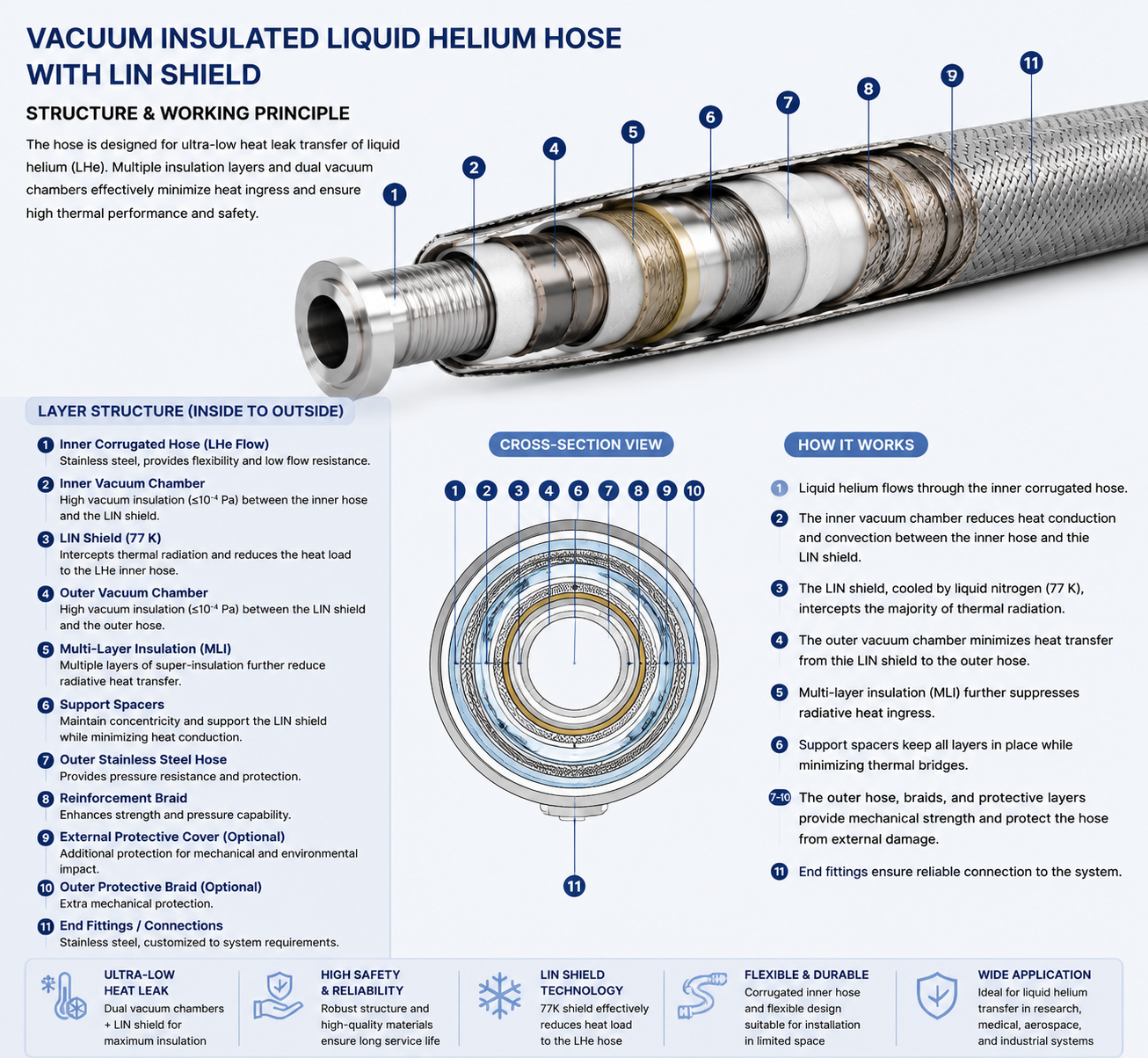
Since the vacuum layer is fundamental to the thermal performance of VIPs and VIHs, a reduction in vacuum quality can significantly increase heat transfer into the cryogenic fluid. Continuous vacuum monitoring therefore offers an effective way to assess insulation performance and support preventive maintenance.
When combined with temperature and pressure measurements, these monitoring capabilities provide a more comprehensive understanding of the system’s operating condition.
Enhancing Operational Safety and Predictive Maintenance
Cryogenic systems operate under demanding conditions, where temperature fluctuations, pressure variations, and insulation degradation can affect equipment reliability and operational safety.
Sensor-integrated VIPs and VIHs help operators identify abnormal trends and potential equipment issues at an earlier stage. For example, unusual temperature changes, unexpected pressure variations, or declining vacuum levels may indicate developing problems that require attention.
By collecting and analyzing operating data over time, these systems can also support condition-based maintenance and predictive maintenance strategies. This helps reduce unplanned downtime, improve maintenance planning, and minimize the risk of equipment failure.
It is important to note that sensor monitoring should complement, rather than replace, established safety systems, inspections, and protective devices.
Applications Across Cryogenic Industries
The integration of monitoring technologies into vacuum insulated transfer systems offers potential benefits across various industries.
Typical applications include:
- Aerospace: Cryogenic propellant transfer systems used in rocket launch facilities and ground support equipment.
- Industrial Gas: Transportation of liquid nitrogen, liquid oxygen, liquid argon, and other industrial gases.
- Medical and Healthcare: Cryogenic storage and transfer systems supporting medical facilities and specialized equipment.
- Scientific Research: Low-temperature fluid distribution systems used in laboratories and advanced research facilities.
- Energy and Manufacturing: Cryogenic processing, storage, and distribution systems requiring reliable thermal performance.
In these applications, real-time monitoring can improve process visibility, support maintenance activities, and help maintain consistent operating conditions.
The Future of Smart Vacuum Insulated Piping Systems
As sensor technology, data acquisition, and industrial automation continue to advance, smart cryogenic transfer systems are expected to become increasingly sophisticated.
Future developments may include wireless data transmission, centralized monitoring platforms, automated alarm systems, and advanced data analytics. The integration of additional sensing technologies may also help identify potential leakage conditions and equipment degradation at an earlier stage.
These developments could make Vacuum Insulated Pipes and Vacuum Insulated Hoses more than passive fluid transfer components. Instead, they could become intelligent parts of a connected cryogenic infrastructure, providing valuable operational data throughout the equipment lifecycle.
Conclusion
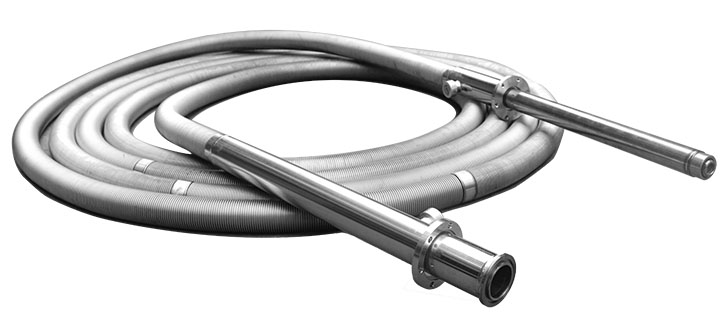
Sensor-integrated Vacuum Insulated Pipes (VIPs) and Vacuum Insulated Hoses (VIHs) represent an important development in cryogenic fluid transfer technology. By combining high-performance vacuum insulation with real-time temperature, pressure, and vacuum monitoring, these systems offer improved operational visibility and greater control over critical performance parameters.
For industries that depend on reliable cryogenic fluid transportation, this approach can support better thermal efficiency, more effective maintenance, reduced product loss, and enhanced operational safety.
As the industry moves toward smarter and more connected infrastructure, the combination of vacuum insulation and intelligent monitoring is likely to play an increasingly important role in the next generation of cryogenic transfer systems.
Post time: Oct-30-2026


